Leave Your Message
0%

Here's the thing about liquids – they can look exactly the same, but their density might be totally different depending on temperature, what's mixed in, or even if there's some gunk in there. So a smart densimeter doesn't just measure density – it also takes that reading and pairs it with digital processing, display, or communication features. And the way these devices are built? It varies a lot. Some use a vibrating element, others go with completely different sensing methods. You'd be surprised how much the little things matter. For instance, a sample at 20°C might give you one reading, but warm it up a bit and you'll get a different number – even though it's the same sample.

Alright, so this guide is all about smart densimeters – what they actually are, how their sensing system does its thing, and what you should keep an eye out for when picking one out. Now, temperature compensation is great for making results more comparable, but let's be clear – it doesn't let you off the hook when it comes to getting the setup right. Things like calibration, how you handle samples, where you install the device, and how well you maintain it – all of that plays a big role in measurement quality. And here's the kicker – a device can spit out ten decimal places and still be totally off the mark. Keep that in the back of your mind.

You know, when it comes to power transformers, checking the density can give you a clue about the insulating liquid's condition or even help with process monitoring—depends on the setup and what you're using it for. But honestly, don't treat it as a full-on diagnosis. A single density reading won't tell you for sure if the oil's good or if the transformer's healthy. You'd still need to run other tests and look at the operational data to get the whole picture. You know, understanding what an instrument can't do is half the battle in using it well. The tech is handy, sure, but it's not exactly magic – I mean, it has its limits.
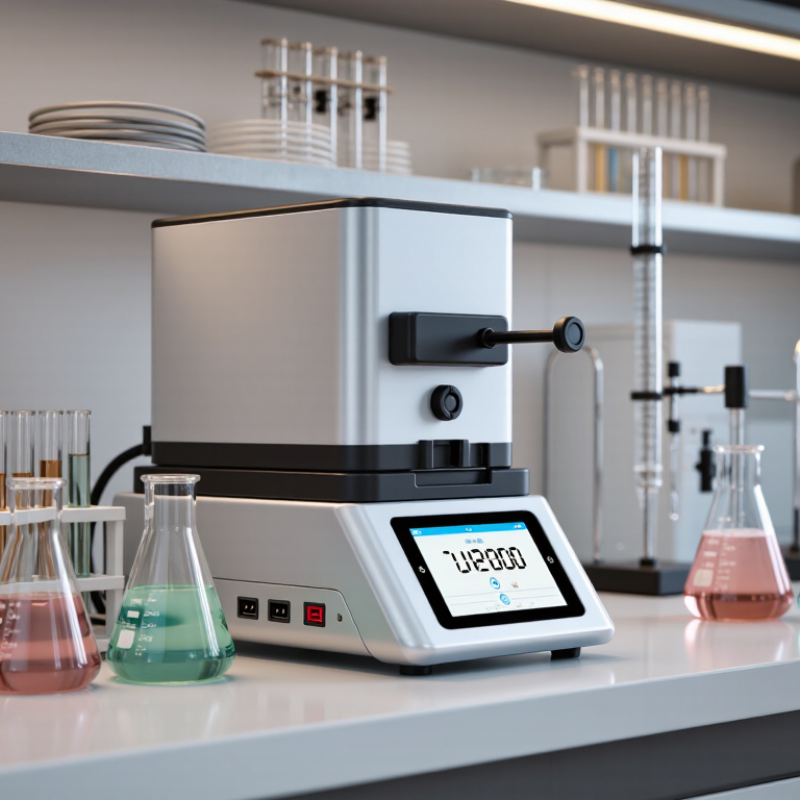
What Is a Smart Densimeter and How Does It Work?

What Defines a Smart Densimeter

What Is a Smart Densimeter and How Does It Work?

What Defines a Smart Densimeter

A smart densimeter measures liquid density and interprets the result with embedded digital technology. It commonly uses an oscillating tube, where the vibration changes according to the sample’s mass and volume. A built-in sensor detects that change and calculates density with high repeatability.

The “smart” feature goes beyond a digital reading. The instrument can compensate for temperature, store test records, and display measurement trends. Some systems also connect with laboratory software through a wired or wireless interface. In routine testing, this helps operators compare batches without copying numbers by hand. A clear screen, guided prompts, and automatic stability checks can reduce avoidable mistakes.

Still, smart does not mean infallible. A dirty measuring cell can distort results. Air bubbles, poor sampling, or an unstable temperature can create misleading data. Regular cleaning and verified reference materials remain essential. Calibration should follow the working range and the laboratory’s documented procedure. Operators should also inspect unusual readings instead of accepting them automatically.

A practical smart densimeter should provide traceable records, simple maintenance, and clear error messages. It should support consistent decisions, not replace technical judgment. This balance defines its real value in laboratories, production areas, and quality control environments.

The Main Components and Their Functions

A smart densimeter measures liquid density and turns that reading into useful process data. Its central component is usually a vibrating tube. When a sample enters the tube, the tube vibrates at a frequency linked to the liquid’s mass. Denser liquids change that frequency more noticeably. An electronic driver keeps the vibration stable, while a sensor detects each movement. The instrument’s processor then converts the signal into a density value.

Temperature affects density, so a built-in temperature sensor is essential. It records the sample temperature beside the density measurement. Software can apply temperature compensation and display values at a selected reference temperature. Some models also use pressure sensors to monitor sample conditions. A clear screen, internal memory, and digital communication ports support traceability. In a working laboratory, these features help technicians compare readings across batches without copying numbers by hand. The design differs from equipment used to inspect Power Transformer Components, although both depend on accurate sensors and controlled testing.

Calibration remains a practical concern. Operators normally use certified reference liquids and follow a documented cleaning routine. Even a thin residue can shift the next result. I have found that rushed rinsing creates more uncertainty than expected. The instrument may look intelligent, but it cannot judge a dirty tube. Air bubbles, temperature changes, and poor sample handling can also distort readings. A careful user checks the sample condition, confirms the calibration date, and records unusual results instead of trusting every displayed number. Calibration is not a formality. It is part of the measurement.

What Is a Smart Densimeter and How Does It Work?

A smart densimeter measures fluid density by detecting changes in the oscillation of a sensing tube. The temperature sensor provides compensation because liquid density changes with temperature, while the processor converts the measured oscillation period into a density value.

Reference data: Approximate density of pure water at 1 atm. These values illustrate why temperature compensation is an essential function in a smart densimeter.

How a Smart Densimeter Measures Density

A smart densimeter measures density by observing how a sample changes a controlled mechanical signal. Many modern instruments use an oscillating tube. The liquid enters this small tube, and the device makes it vibrate at a stable frequency. Denser liquids add more mass, so the vibration slows. Internal sensors detect that change and convert it into a density reading.

The process is precise, but it is not magic. The instrument also records temperature because density changes as liquids warm or cool. Software then applies temperature compensation and displays the result in real time. Some models connect with a Power System or laboratory network, allowing operators to track trends and store measurements automatically.

Sample handling still matters. A single air bubble can make the reading appear too low. Residue inside the tube can create a second error. In practical testing, I would rinse the chamber, check the temperature, and compare the result with a certified reference liquid. Calibration should be repeated when conditions change. Small details matter.

Viscosity can also influence the vibration response. Smart software may correct for this effect, but correction is never perfect. That is worth remembering. A reliable operator reviews unusual results instead of accepting every digital number immediately. Density measurement combines sensors, physical principles, careful cleaning, and informed judgment.

How Sensor Signals Become Density Readings

What Is a Smart Densimeter and How Does It Work?
How Sensor Signals Become Density Readings

A smart densimeter converts physical motion into a density value. Inside, a small hollow tube holds the sample and vibrates at a controlled frequency. As the fluid enters, its mass changes the tube’s oscillation. The sensor detects that shift as an electrical signal. More mass usually means slower vibration and higher density. Simple in principle. Not always simple in practice.

The instrument samples the signal many times per second. Software filters electrical noise, identifies the stable oscillation, and calculates its frequency. A temperature sensor works beside the measurement path. Density changes with temperature, so the processor applies a correction using a validated model. It then compares the result with calibration points, often using water or another certified reference liquid. The display may show density, specific gravity, or a related concentration estimate. Each value depends on correct filling, clean surfaces, and enough settling time.

In daily laboratory work, bubbles are a common source of false confidence. A sample can look clear while a tiny bubble disturbs the tube. Residue can do the same. I check the reading against a reference and repeat it after rinsing. Agreement matters more than one impressive number. Still, temperature gradients, highly viscous samples, and poor calibration can limit confidence. The device reports a signal-derived estimate, not absolute truth. That distinction deserves attention when results guide production decisions.

What Is a Smart Densimeter and How Does It Work? - How Sensor Signals Become Density Readings

Measurement stage Sensor signal or input How the signal is processed Result or practical check
Sample loading Liquid fills the measuring cell or vibrating tube. The instrument detects that a stable sample is present and, where supported, checks for bubbles or an incomplete fill. A representative, bubble-free sample helps prevent unstable or biased readings.
Tube excitation An electronic driver excites the measuring tube near its natural resonant frequency. The tube vibrates while in contact with the sample. The liquid contributes to the tube’s effective oscillating mass. The response depends on the instrument’s tube design and the sample’s physical properties.
Signal detection Pickups convert tube motion into an electrical signal, commonly represented by a periodic waveform. Electronics condition the signal and identify its period or resonance frequency. Some designs also evaluate signal amplitude or damping. A stable waveform is required before a reliable density value can be calculated.
Frequency-to-density conversion Measured resonance frequency, together with the instrument’s calibration constants. A calibrated relationship converts the tube response into density. For a vibrating-tube sensor, increased sample mass generally lowers the resonant frequency. The conversion is specific to the instrument and its calibration; frequency alone is not a universal density scale.
Temperature measurement A temperature sensor measures the sample or measuring-cell temperature. The instrument can report density at the measured temperature or apply a configured temperature correction or reference conversion. Temperature must be reported with density when comparing liquids, because liquid density commonly changes with temperature.
Calibration and verification Known reference fluids or standards are measured at controlled conditions. The instrument’s response is checked against reference values, and calibration is adjusted when required by the instrument procedure. Use suitable standards, clean the measuring cell, and follow the instrument’s specified calibration procedure.
Smart processing and display Processed sensor signals, temperature data, calibration settings, and diagnostic status. Embedded software calculates and displays density, applies configured units or compensation, and may flag unstable readings or errors. Digital connectivity can transfer readings and status information; it does not remove the need for correct sampling and calibration.
Reference values for context (pure substances near 20 °C and atmospheric pressure)
Water Reference density: approximately 998.2 kg/m³ at 20 °C. A measured result can be compared with a suitable water reference, allowing for purity, temperature, and the method used. Approximately 0.9982 g/cm³.
Ethanol Reference density: approximately 789.2 kg/m³ for pure ethanol at 20 °C. The value is a reference for pure ethanol, not a guaranteed result for commercial or water-containing ethanol mixtures. Approximately 0.7892 g/cm³.

Note: Reference densities are approximate and depend on temperature, pressure, purity, and reference data. A densimeter’s exact signal-processing method and performance depend on its sensor design and calibration.

How Smart Features Process and Transmit Data

A smart densimeter turns a physical measurement into data that operators can review and act on. A sensing element measures density, while nearby temperature readings help the device compensate for changes that could affect the result. Its processor checks the signal, applies stored calibration settings, and may flag readings that drift beyond a configured range. A small display can show the live value. A timestamp adds useful context.

The data path matters. The instrument may send readings over a wired connection or a wireless link to a controller, computer, or monitoring system. Before transmission, software can smooth brief signal fluctuations and package values with units, time, and device status. That makes trends easier to compare across a process line, including in the Power Industry, where fluid conditions can influence equipment monitoring. Not every reading should be trusted blindly. Poor sensor placement, fouling, or overdue calibration can still produce misleading data, even when the display looks precise. Connection loss is another practical wrinkle: local storage can preserve readings temporarily, but staff should check how often data syncs and whether gaps are clearly marked.

Calibration and Factors That Affect Accuracy

A smart densimeter typically measures density with an oscillating tube: the sample changes the tube’s vibration period, and onboard electronics convert that response into a reading. Calibration checks whether this relationship remains reliable. Use a clean, dry measuring cell and reference fluids with documented density values at controlled temperatures. Water and air checks are common, but they do not replace suitable certified standards across the instrument’s working range. Small temperature errors matter. A sample measured at 20°C cannot be fairly compared with a reference value reported at another temperature.

ASTM International’s D4052 method reports repeatability of about 0.0001 g/mL and reproducibility of about 0.0005 g/mL for specified petroleum-liquid measurements. These figures describe method precision under defined conditions, not a guarantee for every sample or device. Bubbles, residue, volatile components, poor temperature control, and incorrect calibration values can shift results. A single trapped bubble near the cell wall may be enough to spoil a reading. Rinse thoroughly, inspect the cell, and repeat measurements when values disagree. Keep calibration records, including reference-fluid lot, temperature, and date; otherwise, a precise-looking number can be hard to trust. Even careful operators miss things sometimes.

Common Applications of Smart Densimeters

Common Applications of Smart Densimeters

Smart densimeters help operators track liquid concentration without relying only on manual sampling. In food and beverage production, they can monitor syrup, juice, or cleaning solutions as they move through pipes. A live density reading may reveal dilution or concentration changes before a batch drifts too far from its target. Small shifts matter. Temperature compensation helps make readings more consistent when process conditions change, though it cannot fix poor installation or a dirty sensor.

In chemical processing, density data can support mixing, blending, and transfer checks. Operators may compare readings with established process limits and receive an alert when values move outside the expected range. The instrument can also send measurements to a control system, reducing repeated trips to a sampling point. That saves time, but the data still needs sensible review; a sensor reading is not a substitute for checking calibration and process context.

Smart densimeters also have uses in water treatment, fuel handling, and Power Equipment maintenance. For example, density trends in a circulating fluid can help flag an unexpected change that warrants inspection. Results are most useful when teams record operating temperature, flow conditions, and maintenance history alongside each measurement. That detail is easy to miss during a busy shift. In practice, placement matters: bubbles, deposits, or an unstable flow can distort readings and lead to the wrong adjustment.

FAQS

What does a smart densimeter measure?

It measures liquid density using changes in an oscillating tube’s vibration. Sensors convert that response into a digital reading.

What makes a densimeter “smart”?

It may compensate for temperature, store records, and show measurement trends. Guided prompts help, but they cannot replace careful judgment.

How does temperature affect density readings?

Density changes with temperature, so comparisons need matching conditions. A reading at 20°C may not match a reference measured at another temperature.

How should a smart densimeter be calibrated?

Use a clean, dry cell and suitable reference fluids with documented values. Record the fluid, temperature, and calibration date.

What can make a reading inaccurate?

Bubbles, residue, unstable temperature, or poor sampling can distort results. One bubble near the cell wall may be enough.

Where are smart densimeters commonly used?

They can monitor syrup, juice, cleaning solutions, and process liquids. Readings may help teams spot concentration changes during production.

Can a smart densimeter make decisions automatically?

It can flag readings outside set limits or send data to a control system. Operators still need to review calibration and process conditions.

What details should teams record with each measurement?

Record temperature, flow conditions, and maintenance history alongside the reading. Busy shifts make this easy to overlook.

Does a precise-looking number guarantee accuracy?

No. Clean the cell, check reference materials, and repeat measurements when results disagree. Even careful operators miss things sometimes.

Conclusion

A smart densimeter is a digital instrument designed to measure the density of liquids, gases, or solids while also collecting, processing, and communicating measurement data. Its main components typically include a sensing cell, temperature sensor, signal processor, display or control unit, memory, and communication interface. During operation, the sample interacts with the sensing element, which detects changes in vibration, pressure, buoyancy, or another physical property related to density. The instrument then converts these sensor signals into a density reading, often applying temperature compensation to improve consistency.

Smart features allow the device to automatically analyze readings, store historical data, identify abnormal changes, and transmit results to a monitoring system. Accurate performance depends on proper calibration, stable temperature, clean samples, correct installation, and regular maintenance. Smart densimeters are used in laboratories, chemical processing, food and beverage production, fuel testing, environmental monitoring, and equipment maintenance. For example, they can help evaluate insulating liquids used in a Power Transformer, supporting condition assessment and timely maintenance without relying solely on manual testing.
Isabella

Isabella

Isabella is a dedicated marketing professional at a leading innovation-driven high-tech company specializing in advanced monitoring solutions for insulating gases, including SF6 and its alternatives. With a deep understanding of the industry's intricacies and a commitment to excellence, Isabella......
Previous What Is a Smart Densimeter and How Does It Work?