Leave Your Message
0%

Let’s be honest—when global buyers pick a smart densimeter, it’s not about chasing specs. It’s a practical choice. A decent density measurement instrument can really help with incoming inspection, process control, and even product release. But only if the measurement method actually fits your material and how you run things. And at the end of the day, stable readings are what matter. And yeah—honestly, a clear calibration record does too.

When you look at smart densimeters, you’ll find they usually work on one of a few measurement principles—oscillating U-tube, vibrating-tube, hydrostatic, or process-line. Honestly, each one has its own sweet spot depending on what you're measuring, how much you're running through, and where you need to install it. Oscillating U-tube models, for instance, are a go-to for liquids in the lab, while inline systems are great when you want to keep an eye on production as it happens. There's also the ASTM D4052-22 method, which covers digital density measurement for petroleum products and related liquids. ISO 15212-1:1998 lays out the requirements for oscillation-type density meters used with liquids. It’s a handy reference if you’re trying to compare different methods or reporting practices, though it doesn’t necessarily mean every device will work for every sample you come across.

Let's be honest—spec sheets look great on paper, but real-world conditions are a different story. Bubbles in the sample, temperature swings, thick or viscous stuff, or leftover residue in the measuring cell? Any of that can throw your results off. And the little detail you overlook? That could end up costing you. So when you're comparing options, don't just skim the brochure. Check the stated accuracy, repeatability, how well temperature is controlled, how cleaning works, data connectivity, and calibration support. And definitely ask for test results using a sample that's actually like yours—not just water. Sure, it might take a little extra time, but it's worth it in the long run. A polished demo can only show you so much, right? This guide gets into the top smart densimeter options for 2026—where they work best, what to check before you commit, and the trade-offs that are actually worth worrying about.
2026 Top Smart Densimeter Types for Global Buyers

What a Smart Densimeter Measures and How It Works

2026 Top Smart Densimeter Types for Global Buyers

A smart densimeter measures a liquid’s density: its mass per unit volume. Depending on calibration, it can also display specific gravity or estimate concentration. Think of a filled sample tube and a tiny temperature sensor working together. Small shifts matter.

Many digital models use an oscillating U-shaped tube. The instrument excites the tube, then measures how its vibration changes when the sample fills it. Denser liquids generally alter the oscillation period. Software combines that signal with temperature data and converts it into a reading. ASTM D4052 describes a related oscillating-tube method for petroleum and liquid products. NIST reference data puts pure water’s density near 998.2 kg/m³ at 20°C, a useful check on scale and temperature compensation. A Measurement Instrument is only as dependable as its calibration and sample handling.

Bubbles can distort the result. So can residue, temperature drift, or an unsuitable calibration range. The display may look precise, but precision is not the same as accuracy. A buyer should check the stated measurement range, repeatability, temperature control, and cleaning procedure. In practice, even careful operators can miss a trapped bubble. It is worth checking twice.

2026 Top Smart Densimeter Types for Global Buyers — What a Smart Densimeter Measures and How It Works

Density is mass per unit volume. This chart shows how the density of pure water changes with temperature at approximately atmospheric pressure—a useful example of the temperature effect smart densimeters measure or compensate for.

Many digital densimeters use an oscillating U-tube: the sample changes the tube’s oscillation period, which is used to determine density. Temperature control or compensation is important because density varies with temperature.

Core Technologies Used in Smart Densimeters

Smart densimeters commonly use an oscillating U-tube to measure liquid density. A sample fills the tube, and an electromagnetic drive keeps it vibrating. The instrument measures the vibration frequency, which changes with the mass inside the tube. Higher density generally produces a different frequency. The result is calculated electronically and displayed as a digital reading. Small bubbles or residue can still distort measurements. Clean sampling matters.

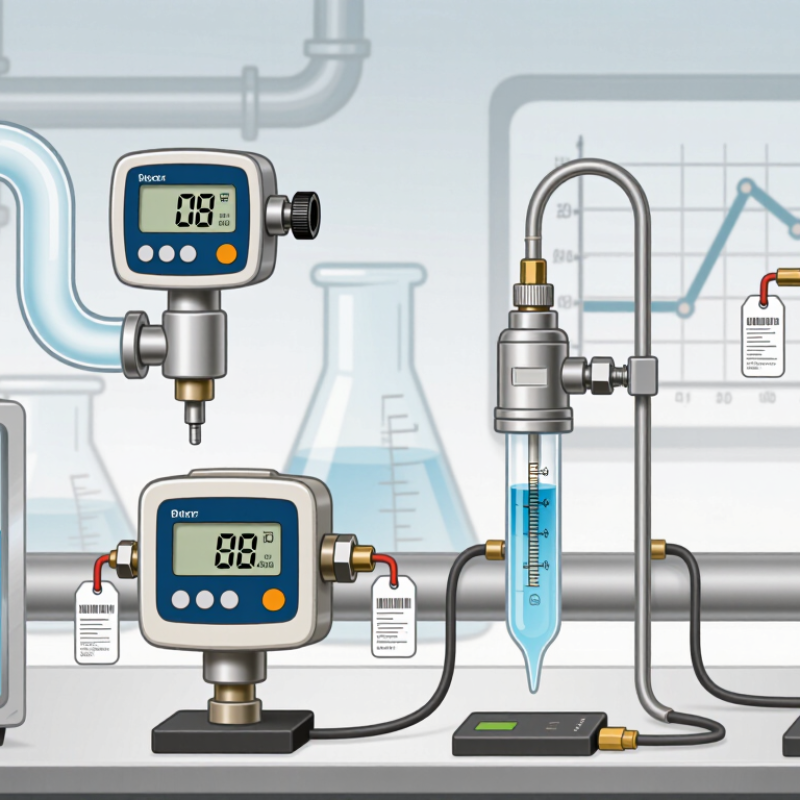
Temperature compensation is another core technology. Built-in sensors record sample temperature, allowing the device to correct readings or report density at a reference temperature. Some systems also monitor pressure, especially in closed process lines. Optical sensors can estimate density through changes in how light travels through a sample, though composition may affect accuracy. Smart electronics add stored readings, calibration records, and data transfer for process monitoring. A Manometer Instrument measures pressure, not density; the two tools may complement each other, but they are not interchangeable. Check calibration with suitable reference fluids, and review the measurement range before choosing a sensor. Specifications do not remove every uncertainty.

Main Smart Densimeter Types for Global Buyers

Smart densimeters generally fall into benchtop, portable, and inline types. Each suits a different measurement environment. A benchtop digital model works well in laboratories, where operators can control sample temperature and handle small, repeatable measurements. Many use oscillating-tube technology, which derives density from a vibrating sample tube. Results can be affected by bubbles, residue, or poor temperature control, so careful sample preparation still matters.

Portable densimeters help technicians check liquids near storage tanks, production lines, or receiving points. Look for a clear display, manageable weight, and practical battery life. Small details matter. An inline densimeter stays in a pipe or process vessel, providing ongoing readings without repeated manual sampling. It can support process monitoring, but installation position and flow conditions may affect results. Buyers should compare measurement range, temperature compensation, calibration procedures, data output, and cleaning requirements. Ask how the instrument performs with your actual sample, not only a reference liquid. As an Analytical Instrument, a smart densimeter is only as useful as its verification routine. A tidy specification sheet does not reveal every maintenance inconvenience.

Key Features and Specifications to Compare

2026 Top Smart Densimeter Types for Global Buyers

Key Features and Specifications to Compare

Compare measurement principle, range, temperature control, repeatability, and data export before comparing prices. Start with the sample. Benchtop oscillating U-tube meters suit controlled laboratory checks, while portable digital models support measurements near tanks or production lines. Inline sensors provide continuous readings, but installation and calibration can complicate comparisons. Small details matter.

ASTM International’s D4052 method covers petroleum density testing using an oscillating U-tube. Its precision statement lists repeatability of 0.0001 g/mL and reproducibility of 0.0005 g/mL for covered samples. Treat these figures as method-specific benchmarks, not guarantees for every instrument or liquid. Check the stated temperature range, viscosity limits, and calibration procedure against your actual samples.

For each model, verify display resolution, measurement range, temperature stability, sample volume, cleaning steps, and export options. A clear audit trail helps teams compare readings across shifts. Ask whether the device flags air bubbles or unstable measurements; these can distort results. A polished display cannot rescue poor temperature control. Nor does wireless connectivity prove accuracy. One practical blind spot remains: specifications rarely show how quickly a device recovers after cleaning or a sample change. Request a demonstration using a representative liquid, and record the conditions.

Industrial Applications Across Different Sectors

Smart densimeters support process checks across food production, chemical plants, mining, and utilities. Vibrating-tube models suit many liquid samples, while inline units monitor density directly in a flowing pipe. In beverage production, operators can track syrup concentration during blending. A small reading shift may reveal dilution or temperature changes. Small details matter.

Chemical processors often need materials compatible with corrosive samples and changing temperatures. Portable densimeters help technicians compare readings between tanks or production lines. Benchtop models offer a controlled setting for laboratory checks and incoming-material inspection. Each type has trade-offs. Inline monitoring reduces manual sampling, but installation and cleaning requirements deserve careful review. Portable units are flexible, though handling can affect repeatability.

Mining operations may use ruggedized instruments to assess slurry density and support process control. Water-treatment facilities can monitor concentration changes during treatment stages. A connected Industrial Instrument may store readings and share them with control systems, helping teams spot trends over time. Buyers should check measurement range, sample conditions, data compatibility, and calibration needs before selecting a device. Even a well-chosen meter can disappoint if operators overlook routine verification. That part is easy to underestimate.

How to Select a Smart Densimeter for Your Needs

2026 Top Smart Densimeter Types for Global Buyers

How to Select a Smart Densimeter for Your Needs

Start with the sample, not the feature list. A portable unit may suit field checks, while a benchtop model can offer steadier temperature control for routine laboratory work. Check the measurement range against your actual samples. A narrow range can leave useful readings outside the instrument’s capacity. Small details matter. A 2 mL sample requirement, for example, may be inconvenient when each batch is scarce.

Temperature and repeatability deserve close attention. Density can shift as a liquid warms, so compare the instrument’s temperature-control method with your working conditions. Review accuracy and repeatability specifications separately; they describe different things. Ask how calibration is performed, what reference materials are required, and whether calibration records can be exported. Digital records help with review, but only when staff use consistent procedures. A smart screen cannot fix a poorly prepared sample.

Consider the sample’s viscosity, tendency to leave residue, and cleaning needs. Look for clear guidance on compatible materials and cleaning steps, especially if you test several liquids in one shift. Not every feature helps. Wireless transfer may be useful across a large facility, but it adds little if measurements are recorded beside the instrument. Compare service access, training needs, and total operating costs, too. Specifications can look precise; real workflows are messier. Have operators test typical samples before purchase.

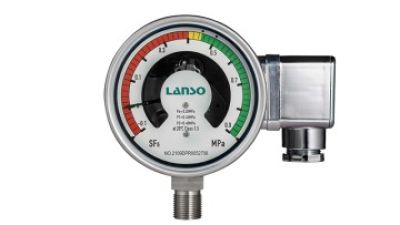
HM100PR SF6 Gas Density Monitors: Reliable Solutions for EHV Applications

HM100PR SF6 gas density monitors are designed to support dependable insulation-gas supervision in extra-high-voltage applications above 500 kV. Installed on sealed gas compartments, they help operators track SF6 density and identify changes that may require attention. Preset alarm thresholds provide a clear signal when density reaches a configured level, allowing maintenance teams to respond promptly and support the reliable operation of critical electrical equipment.

For facilities requiring continuous visibility, the monitors can transmit density data for remote, real-time monitoring. This helps personnel review equipment conditions without relying solely on local inspections. Manufactured in China, the units are supplied with a focus on consistent quality, multi-level protection, and comprehensive shielding measures for secure, stable operation. Their combination of local alarms and remote data transmission makes them a practical option for EHV substations and other high-voltage installations where ongoing SF6 density oversight is important.

FAQS

How does a smart densimeter measure liquid density?

An electromagnetic drive vibrates a sample inside a U-shaped tube. The instrument uses changes in vibration frequency to calculate density. Small bubbles can distort readings.

Why does temperature compensation matter?

Built-in sensors record the sample’s temperature. The device can adjust readings or report density at a reference temperature. Temperature still needs attention.

What types of smart densimeters are available?

Benchtop models suit controlled laboratory checks. Portable units work near tanks or production lines. Inline models measure liquids inside pipes or vessels.

When is an inline densimeter useful?

It provides ongoing readings without repeated manual sampling. For example, it can track density in a flowing process line. Installation and flow conditions may affect results.

Which industries use smart densimeters?

Food producers can track syrup concentration during blending. Chemical plants check process liquids, while mining and water-treatment teams monitor slurry or concentration changes.

What can cause inaccurate readings?

Bubbles, residue, poor temperature control, and sample handling can affect results. Clean sampling matters. It can be easy to overlook.

What should buyers compare before choosing a model?

Check measurement range, temperature compensation, calibration steps, data output, and cleaning requirements. Ask how it performs with your actual sample, not just a reference liquid.

How should a smart densimeter be verified?

Check calibration with suitable reference fluids and follow the instrument’s routine. Stored readings can help reveal trends, but they do not replace verification. Specifications never tell the whole story.

Can a pressure instrument replace a densimeter?

No. A pressure instrument measures pressure, not density. The tools may complement each other, but they are not interchangeable.

Conclusion

Smart densimeters help buyers measure the density of liquids, gases, or other materials by converting changes in mass, pressure, vibration, or light into readable data. Modern designs may use oscillating elements, Coriolis effects, or optical sensing, with digital processing to support stable readings, automated monitoring, and data communication. Common options include portable units for field checks, benchtop instruments for laboratory analysis, and inline systems for continuous process control.

When comparing a Density Measurement Instrument, consider measurement range, accuracy, repeatability, response time, sample compatibility, operating conditions, connectivity, and maintenance needs. Smart densimeters serve industries such as food and beverage, chemicals, energy, pharmaceuticals, and water treatment, where reliable density data can support quality checks and process consistency. The best choice depends on the material being measured, whether testing is occasional or continuous, installation requirements, and the level of data integration needed. Balancing performance with ease of use and long-term operating costs helps global buyers select a suitable instrument for their application.

Lila

Lila

Lila is a dedicated marketing professional at a pioneering high-tech enterprise based in Shanghai, specializing in innovative solutions for insulating gas monitoring and digital transformer accessories. With a deep understanding of the industry, Lila takes pride in articulating the company's core......
Previous What Is a Smart Densimeter and How Does It Work?