Leave Your Message
0%

So, what's the top smart densimeter for global buyers in 2026? Honestly, the answer is leaning more and more on measurement confidence—not flashy marketing. A modern Sf6 Meter needs to do way more than just show gas density. It should handle temperature and pressure compensation, flag moisture risks, store readings, and support calibration you can trace. For buyers around the world, that really matters in substations, service vehicles, and factory inspection rooms.

Dr. Martin Keller, an independent SF6 measurement specialist, puts it like this: 'A reliable SF6 Meter should make the right call easier, even when field conditions aren't perfect.' That's worth pausing on. Picture a technician next to a noisy transformer, wearing gloves, with poor lighting and a battery that's gone cold. The instrument still has to stay readable and stable. It should give clear alarms, tough connectors, and easy data export. These practical bits often matter more than a busy touchscreen.

Big names like Vaisala, DILO, WIKA, and INFICON each bring different strengths—portability, accuracy, service support, and so on. But no model is perfect. Some are pricey. Others are very sensitive but need more training. Before ordering, buyers should look at calibration certificates, sensor replacement policies, measurement ranges, and local technical support. Certification claims? Verify them, don't just accept them. So the top smart densimeter in 2026 might just be the one that fits the user's real workflow. Fancy specs alone won't cut it. A careful comparison is still a must.
What Is the Top Smart Densimeter for Global Buyers in 2026?

What a Smart Densimeter Measures and Why It Matters in 2026

A smart densimeter measures mass per unit volume, usually in g/cm³ or kg/m³. It also tracks temperature, because density changes when a sample warms or cools. Modern instruments may calculate specific gravity, concentration, and API gravity from the same reading.

This matters in fuel, chemical, food, and hydrogen operations. The International Energy Agency reported global hydrogen demand of about 97 million tonnes in 2023, while low-emissions hydrogen remained below 1 million tonnes. Accurate density data supports safer storage calculations and better production control. For liquid fuels, ISO 12185 and ASTM D4052 provide recognized methods using oscillating-tube measurement. A capable Sf6 Density Meter should therefore provide stable temperature control, automatic correction, and traceable calibration.

In a laboratory, a small bubble can distort the result. A dusty sample can do the same. That is where my caution begins. Smart features cannot repair careless sampling. NIST reference data lists water density near 0.9982 g/mL at 20°C, making water a practical verification check. Global buyers should inspect repeatability, measurement range, cleaning steps, and digital data records before comparing prices. A clear display is useful, but audit-ready records matter more. Reports from the International Organization for Standardization also stress controlled temperature and consistent procedures. Operators still need training. Even the best instrument can produce a confident, imperfect answer.

How Smart Densimeters Work Across Different Industrial Applications

A smart densimeter measures fluid or gas density while correcting for temperature and pressure changes. In 2026, global buyers should compare sensor stability, data access, calibration support, and hazardous-area suitability. The best choice depends on the process, not only the display or software.

For insulated electrical equipment using sulfur hexafluoride, an Sf6 Gas Density Meter tracks density continuously. It can identify pressure loss before insulation performance becomes unreliable. The instrument combines pressure and temperature readings, then converts them into a compensated density value. Small errors matter. Technicians can view trends locally or through a secure control system. Installation must follow site procedures and applicable safety rules.

Chemical plants may use smart densimeters for solvents, acids, and process mixtures. Food manufacturers can monitor syrup concentration through hygienic inline connections. In fuel handling, density data supports batch consistency and detects unusual composition changes. Battery material production also benefits from stable slurry measurements. Each application needs a different wetted material, response time, and cleaning method.

A reliable reading still depends on correct installation. Air pockets, vibration, coating, and poor sampling can distort results. Field engineers should verify the instrument against a traceable reference during commissioning. I would not trust automation blindly. Even strong sensors need inspection, sensible alarm limits, and periodic recalibration. Some systems provide impressive dashboards, but weak maintenance records remain a concern.

Key Accuracy, Connectivity, and Automation Features to Compare

What Is the Top Smart Densimeter for Global Buyers in 2026?

Choosing a smart densimeter starts with measurement confidence, not a long feature list. Buyers should check accuracy across the intended density range. Repeatability matters. A reliable instrument should maintain stable readings after temperature changes and repeated sample tests. Automatic temperature compensation can reduce manual corrections, but it cannot fix poor sample handling. Look for clear calibration procedures, traceable reference materials, and records that show when adjustments occurred.

Connectivity is equally important in modern laboratories and production areas. A useful device should transfer results through common network or wired interfaces. Secure user access helps protect settings and measurement history. Data should include sample identification, temperature, operator details, and timestamps. Cloud access may improve visibility for global teams, although unstable networks can create delays. Local data storage is still valuable.

Automation should remove repetitive work without hiding important decisions. Features may include automatic filling guidance, air-bubble detection, cleaning prompts, and programmable measurement cycles. These tools can improve consistency when operators follow the correct procedure. They also need simple warnings, not confusing alarms. During practical evaluations, buyers should test viscous, volatile, and temperature-sensitive samples when appropriate. One overlooked issue is maintenance time. A fast reading loses value if cleaning takes too long or software updates interrupt daily work. No instrument is perfect. The strongest choice is the one whose limitations are documented, tested, and accepted by the people using it.

Which Densimeter Technologies Suit Different Global Buyer Needs

A top smart Density Meter for global buyers in 2026 should match the application, not simply offer the longest feature list. Oscillating U-tube technology suits laboratories measuring clear liquids with high precision. It responds quickly and supports automatic temperature compensation. However, bubbles, suspended particles, and poor cleaning can distort results. Small errors matter.

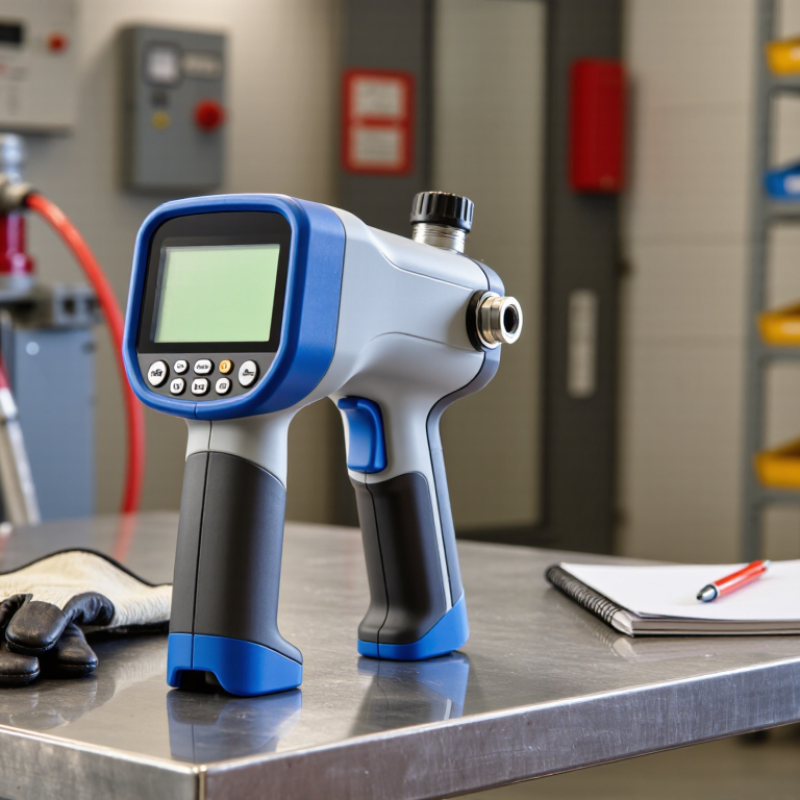
Ultrasonic systems work well for larger process lines and non-contact measurements. They can monitor changing density without interrupting production. Microwave technology may suit liquids with variable composition, especially when temperature and concentration shift during processing. Optical density meters help with transparent samples and rapid screening. They need clean optical windows. Field teams may prefer compact digital meters with rechargeable batteries, sealed housings, and simple touchscreen controls. That sounds practical.

Connectivity also changes the buying decision. Wi-Fi, Ethernet, or secure data export can link readings with laboratory software. Buyers should check audit trails, user permissions, calibration reminders, and cybersecurity controls. A smart device without reliable records creates extra work. Look for traceable calibration certificates and service support aligned with recognized laboratory practices, such as ISO/IEC 17025 principles. Regional voltage, language settings, data privacy rules, and available spare parts deserve attention. These details are easy to miss. In routine testing, I would verify repeatability with a certified reference liquid before approving the device. Real samples can behave differently. A polished specification sheet cannot replace hands-on trials, and even a strong instrument may need frequent cleaning or method adjustment.

How Certifications, Standards, and Regional Rules Affect Purchasing

The top smart densimeter for global buyers in 2026 is not simply the fastest instrument. It must fit the buyer’s market, material, and compliance duties. A purchasing team should check measurement range, temperature compensation, data logging, and cleaning requirements. In a busy laboratory, a stable reading at 20°C matters more than a polished screen. Small details matter.

Certification records deserve careful review. An ISO/IEC 17025 calibration certificate can support measurement traceability, but it does not prove every operating condition. Ask for the calibration date, reference standards, uncertainty, and tested temperature range. Electrical safety and electromagnetic compatibility requirements may differ between regions. Some markets also require local conformity marks, importer records, language-specific manuals, or approved power adapters.

Regional rules can change the purchase decision. A device accepted for general laboratory use may need extra documentation for food, chemical, pharmaceutical, or industrial applications. Buyers should confirm whether the instrument’s software stores audit trails and protects exported data. A supplier’s declaration is useful, but independent verification is stronger. Do not assume one certificate covers every country.

In practice, procurement teams should compare the technical file before comparing prices. Request sample reports and test the densimeter with a familiar reference liquid. That step often exposes confusing software or slow stabilization. I have seen specifications look complete while cleaning instructions remained vague. This is a weakness worth challenging. Compliance is not paperwork alone. It affects daily reliability.

A Step-by-Step Framework for Choosing the Best Smart Densimeter

Choosing the best Gas Density Meter starts with the process, not the product sheet. Define the fluid, density range, temperature, pressure, and required accuracy. A meter reading 0.001 g/cm³ off can distort blending decisions. Check whether temperature compensation remains stable near your operating limits.

Then test the instrument against traceable reference materials. ISO/IEC 17025 laboratories provide a stronger basis for calibration claims. Compare repeatability, response time, drift, and cleaning effort. Do not trust a single demonstration. Ask for five repeated readings at low, middle, and high density points. Small screens can hide large measurement variation.

Connectivity deserves equal attention. Deloitte’s 2024 Smart Manufacturing and Operations Survey reported that 86% of executives expect smart manufacturing to drive competitiveness within five years. Therefore, confirm compatible protocols, export formats, access controls, and offline data storage. The 2024 State of Smart Manufacturing survey also reported that 95% of manufacturers planned to invest in artificial intelligence or machine learning within five years. That does not make every connected meter valuable. A reliable local record may matter more than a flashy dashboard. The framework is imperfect. Maintenance access, regional certification, and technician training can change the final choice. Test those details before purchase.

What Is the Top Smart Densimeter for Global Buyers in 2026? - A Step-by-Step Framework for Choosing the Best Smart Densimeter

Use the framework below to compare smart densimeters without relying on brand reputation. The target values are practical screening benchmarks; the final choice should be confirmed against the instrument’s official specification, calibration certificate, application method, and local regulatory requirements.

Step Evaluation Dimension Recommended Target for Global Buyers Why It Matters How to Verify Suggested Weight
1 Measurement Principle Digital oscillation, vibrating-tube, or another documented laboratory-grade method appropriate to the sample. The measuring principle affects repeatability, sample volume, temperature sensitivity, and the types of liquids that can be tested. Review the technical manual and confirm the applicable sample types, viscosity limits, and measurement assumptions. 10%
2 Density Range A published range that fully covers the intended liquids, with additional margin above and below the expected values. A range that is too narrow can make the instrument unsuitable for changing formulations or international product lines. Compare the manufacturer’s stated range with the lowest and highest expected sample densities at the operating temperature. 8%
3 Accuracy and Repeatability Accuracy and repeatability specifications stated separately, preferably with the test temperature and calibration conditions. Accuracy describes closeness to a reference value, while repeatability describes consistency under the same conditions. Both are needed for quality control. Request the full specification sheet, example test report, and uncertainty information rather than relying on a single “high accuracy” claim. 18%
4 Temperature Control Integrated temperature measurement and a controlled or clearly specified test temperature, commonly around 20 °C for density reporting. Liquid density changes with temperature. Without temperature control or correction, results from different sites may not be comparable. Check the temperature sensor specification, stabilization time, correction functions, and supported reference temperatures. 14%
5 Sample Volume and Throughput Low sample consumption with a published measurement cycle suitable for the required laboratory or production workload. Small sample volume reduces waste and is valuable for expensive, hazardous, or limited-availability materials. Throughput affects operating cost. Confirm the minimum sample volume, filling method, rinse time, drying time, and complete results-per-hour workflow. 10%
6 Smart Connectivity USB or Ethernet as a minimum; secure wireless connectivity, barcode support, and standard data export when required. Connectivity reduces transcription errors and supports laboratory information systems, electronic batch records, and remote review. Verify supported protocols, file formats, user permissions, audit trails, cybersecurity updates, and offline operation. 12%
7 Calibration and Compliance Traceable calibration support with documented procedures, reference materials, and records suitable for the buyer’s quality system. Calibration traceability is essential when results support release decisions, regulated testing, or cross-site comparison. Check alignment with applicable ASTM, ISO, pharmacopoeial, food, chemical, or internal methods. Confirm certificate availability. 14%
8 Cleaning and Contamination Control Accessible wetted parts, defined cleaning instructions, compatible materials, and a practical rinse-and-dry procedure. Residue, bubbles, crystallization, and cross-contamination can create significant measurement errors and downtime. Review chemical compatibility, cleaning agents, disposable components, inspection access, and validation requirements. 8%
9 Environmental Suitability Operating temperature and humidity limits appropriate to the installation site, with clear protection and installation requirements. Global buyers may operate in humid, hot, cold, dusty, or high-altitude environments that differ from the test laboratory. Compare the stated operating conditions, ingress protection, warm-up requirements, power compatibility, and shipping conditions. 6%
10 Total Cost of Ownership A transparent five-year cost including instrument, accessories, calibration, consumables, software, service, training, and downtime. The purchase price alone does not reflect recurring costs or the financial impact of maintenance and service delays. Request a complete quotation and calculate cost per test, annual service cost, spare-part availability, and expected replacement intervals. 10%

Recommended decision rule: Eliminate any instrument that fails a mandatory requirement for accuracy, temperature control, calibration traceability, sample compatibility, safety, or data integrity. Then score the remaining options against the weighted dimensions above and validate the leading option with representative samples before purchase.

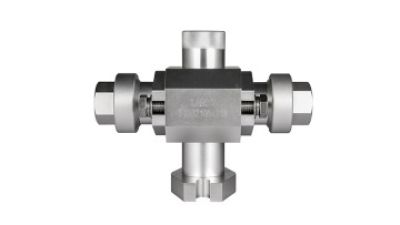
FMZ Connection Valves for SF6 Switchgear: A Guide to Reliable Density Monitoring Solutions

SF6 switchgear depends on stable gas density to maintain insulation and interruption performance. According to the IPCC Sixth Assessment Report, sulfur hexafluoride has a 100-year global warming potential of approximately 25,200 and an atmospheric lifetime of about 3,200 years. These figures highlight why accurate density monitoring and effective leakage prevention are essential throughout the equipment lifecycle. In practice, a dependable connection interface can make routine inspection safer, faster, and more consistent.

FMZ Connection Valves are designed to connect SF6 density monitors with switchgear while allowing technicians to inspect or replace the monitor without removing it from the installed equipment. This arrangement supports maintenance activities such as density verification, monitor replacement, and controlled gas filling. It also reduces unnecessary disturbance to the gas compartment, helping maintenance teams limit downtime and maintain a more controlled service environment.

By avoiding repeated disassembly of the switch valve, the connection valve helps protect sealing surfaces and seal rings from mechanical damage. This can reduce potential leakage paths and improve the long-term reliability of SF6 electrical installations. A robust valve assembly should be selected with suitable pressure ratings, compatible sealing materials, and inspection procedures aligned with applicable high-voltage switchgear standards, including IEC 62271 requirements. For operators managing extensive switchgear fleets, this design can streamline preventive maintenance and support more efficient density-monitoring programs.

FAQS

What should buyers check before purchasing a smart densimeter?

Check the fluid, density range, temperature, pressure, and required accuracy. A stable reading at 20°C may matter more than a polished screen. Small details matter.

Why is temperature compensation important?

Density can change when temperature shifts. Confirm stable compensation near your actual operating limits. Test real conditions.

What should a calibration certificate include?

Check the calibration date, reference standards, uncertainty, and tested temperature range. An ISO/IEC 17025 certificate supports traceability. It does not cover every operating condition.

How can buyers verify measurement performance?

Use a traceable reference liquid with known density. Request five repeated readings at low, middle, and high points. One demonstration is not enough.

Which technical results should be compared?

Compare repeatability, response time, drift, stabilization speed, and cleaning effort. A reading off by 0.001 g/cm³ may affect blending decisions. Screens can hide variation.

What regional compliance details need review?

Requirements may include conformity marks, local records, translated manuals, and approved power adapters. Electrical safety rules can differ between markets. One certificate rarely covers everything.

Why should software and data handling be evaluated?

Confirm audit trails, access controls, export formats, and offline storage. A local record may outperform a flashy dashboard. Connectivity is not always value.

What practical test can reveal hidden weaknesses?

Request sample reports and test a familiar reference liquid. Watch for confusing software or slow stabilization. Cleaning instructions may remain vague. Challenge that weakness.

Conclusion

Choosing the top smart densimeter for global buyers in 2026 requires more than comparing measurement ranges. A smart densimeter determines liquid or gas density and may also calculate related values such as concentration, specific gravity, or temperature compensation. These capabilities support quality control, process monitoring, product formulation, and maintenance across laboratories, chemical processing, food production, energy, and environmental applications. For specialized gas measurement, an SF6 Meter may be evaluated alongside density instruments when monitoring insulation gases and supporting safe, reliable equipment management.

The best choice depends on accuracy, repeatability, measurement speed, sensor durability, data logging, wireless or network connectivity, and compatibility with automated control systems. Buyers should also compare laboratory, portable, inline, and application-specific technologies according to workflow and operating conditions. Certifications, calibration traceability, electrical safety requirements, environmental ratings, and regional standards can strongly influence purchasing decisions. A practical selection framework is to define the application, sample properties, required precision, installation conditions, communication needs, compliance obligations, service support, and total ownership cost before making a final decision.

Isabella

Isabella

Isabella is a dedicated marketing professional at a leading innovation-driven high-tech company specializing in advanced monitoring solutions for insulating gases, including SF6 and its alternatives. With a deep understanding of the industry's intricacies and a commitment to excellence, Isabella......
Previous 2026 Top Smart Densimeter Types for Global Buyers