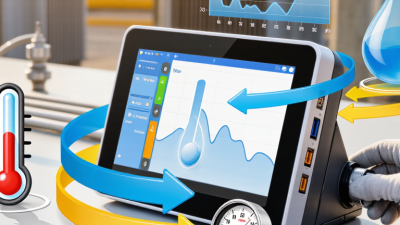
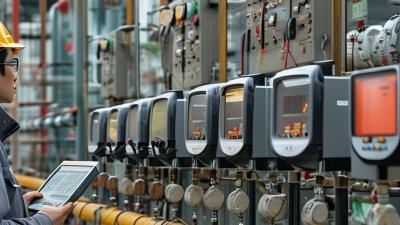
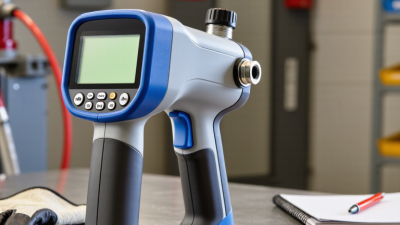
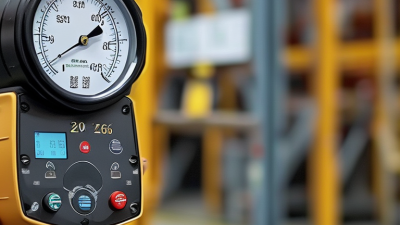
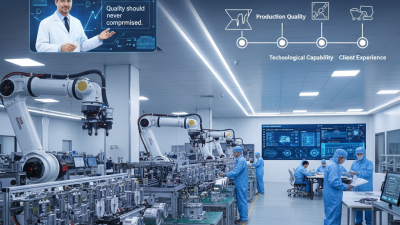
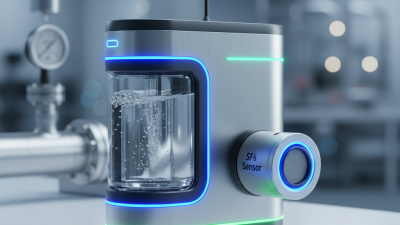
China’s power sector keeps growing, and gas-insulated substations are popping up more and more. That’s driving up demand for reliable Sf6 Monitor systems. These devices keep an eye on gas density, pressure, temperature, moisture—and they can flag leakage risks too. Even tiny errors can turn into some pretty expensive maintenance calls.
So, the International Energy Agency says our electricity grids need some serious investment—not just to expand them, but to keep them reliable, too. And then there's the IPCC's Sixth Assessment Report, which flags SF6 as a seriously potent greenhouse gas. We're talking about a 100-year global warming potential of roughly 24,300 times that of CO2. Its atmospheric lifetime? Over 1,000 years. When you put those numbers together, dependable monitoring stops being just a nice technical extra. It's really part of managing assets responsibly.
So, Dr. Hermann Koch—someone who really knows his stuff when it comes to SF6 technology—puts it simply: “A monitor only earns its keep when its readings actually change how you do maintenance.” And honestly, that’s the idea behind this China Top 10 Smart Densimeter Manufacturers 2026 roundup. When we looked at the list, we weighed things like sensor stability, how well calibration is handled, response time, communication interfaces, real-world field experience, and after-sales support. We also asked whether manufacturers are upfront about uncertainty—because that’s one area that often gets overlooked.
The companies on that list work with all kinds of places—substations, power equipment factories, labs, industrial sites. On paper, their products can seem pretty much the same. But out in the field? Performance can vary a lot. Take winter testing: a stable reading really matters. And so does reliable communication when you've got a crowded control cabinet.
Just so you know, this guide isn't meant to be the final word or some absolute ranking. Supplier info? It can be patchy, and products can change before you know it. Plus, the term Sf6 Monitor gets used all over the place in different catalogs. So before you settle on anything, it's worth checking the certificates, test records, operating limits, and whether the supplier can actually back it up with service.
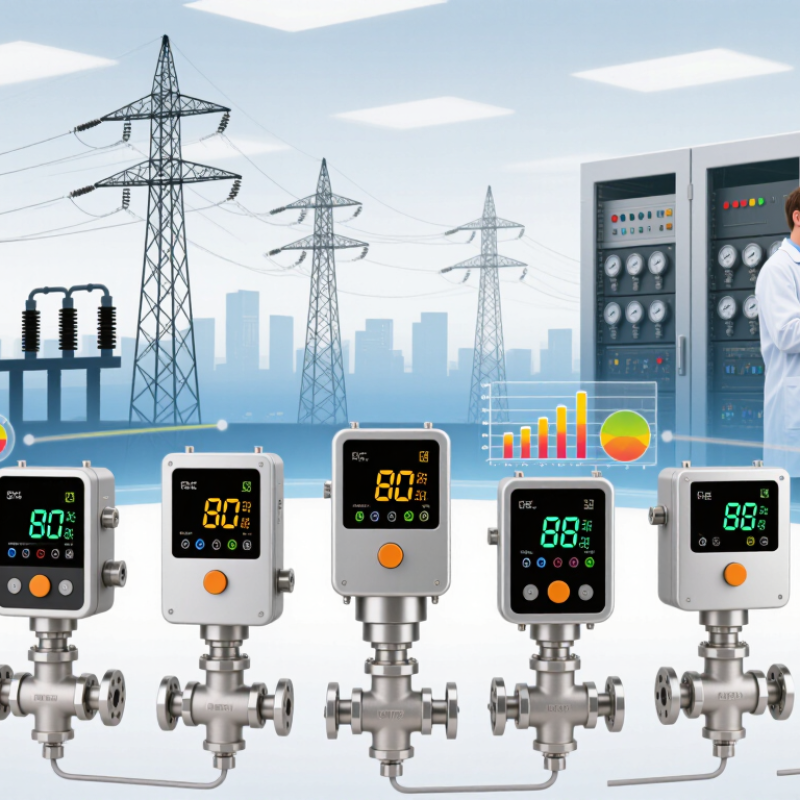
A smart densimeter measures fluid or gas density and converts it into useful operating data. Unlike a traditional mechanical gauge, it combines sensing elements, temperature compensation, digital processing, and communication functions. In modern plants, density is not just a reading. It can indicate leakage, contamination, pressure change, or process instability.
In electrical substations, an Sf6 Gas Monitor can track insulating gas density inside sealed equipment. The system may trigger an alarm before insulation performance becomes unsafe. Operators can view trends remotely, compare readings with maintenance records, and reduce unnecessary inspections. In chemical, food, and pharmaceutical production, smart densimeters help control concentration and mixture consistency. A small density deviation can affect product quality quickly.
Accuracy still depends on installation. Sensor position, vibration, temperature changes, and calibration intervals can influence results. Field engineers should verify readings against a certified reference, especially after maintenance. Data connectivity also creates risks. A connected instrument is not automatically reliable. Poor network settings, delayed updates, or incorrect alarm limits may produce false confidence. This part needs more attention.
The most useful systems provide traceable records, clear diagnostics, and stable performance under harsh conditions. Yet smart functions should support professional judgment, not replace it. A practical densimeter must remain understandable when the screen, network, or automatic correction behaves imperfectly.
China Top 10 Smart Densimeter Manufacturers 2026
Smart densimeter manufacturing now depends on stable measurement under changing field conditions. Many Chinese manufacturers use vibrating-tube technology to detect density through resonance shifts. The tube’s geometry, surface finish, and material stiffness directly affect sensitivity. Small manufacturing errors can create noticeable drift.
Temperature compensation is essential. A built-in sensor records liquid temperature beside the measuring cell. The controller then corrects density readings using a validated compensation model. Pressure sensors can improve results when samples contain dissolved gases or operate in sealed systems. Digital signal processing also filters vibration from pumps and nearby machinery.
Modern units may connect through industrial communication ports or wireless gateways. This allows operators to review trends, alarm limits, and calibration records remotely. An Sf6 Density Monitor requires particularly careful pressure and temperature tracking, because density changes can indicate equipment conditions. Manufacturers should test repeatability with certified reference materials at several temperatures. Factory calibration alone is not enough.
Good production lines inspect each tube, circuit board, and enclosure separately. They also test response time, leak resistance, and long-term stability. Yet no sensor is perfect. Poor cleaning can leave a thin film inside the cell, causing persistent error. I have found that simple maintenance instructions are often overlooked. Better designs make cleaning, verification, and data review visible to the operator.
| Rank | Key Manufacturing Technology | Core Operating Principle | Typical Measurable Capability | Smart-System Integration | Common Validation Method |
|---|---|---|---|---|---|
| 1 | Oscillating U-Tube Measurement | Determines density from the resonant frequency of a liquid-filled glass or metal tube. | Typical laboratory density resolution can reach approximately 0.0001 g/cm³, depending on instrument design and sample conditions. | Digital frequency acquisition, embedded calculation, automatic stability monitoring and result logging. | Traceable reference liquids, repeatability testing and comparison with calibrated density standards. |
| 2 | Automatic Temperature Compensation | Corrects density changes caused by thermal expansion and contraction of the sample and measuring cell. | Temperature sensors commonly monitor the measurement cell with resolution of 0.01 °C or better in laboratory instruments. | Real-time compensation algorithms, temperature alarms and automatic correction tables. | Multi-point temperature verification using certified thermometers and reference fluids. |
| 3 | Integrated Peltier Temperature Control | Uses thermoelectric modules to heat or cool the measuring cell without an external liquid bath. | Common controlled measurement points include 15 °C, 20 °C, 23 °C and 25 °C, subject to instrument specifications. | Closed-loop PID control, programmable setpoints and automatic temperature-stability detection. | Setpoint accuracy, stabilization time and temperature uniformity tests under controlled ambient conditions. |
| 4 | Microfluidic Sample Handling | Controls small sample volumes through precision channels, filling ports and internal measurement cells. | Sample requirements may range from a few hundred microlitres to several millilitres, depending on cell design. | Automated filling, draining, rinsing, air-bubble detection and sample identification workflows. | Fill-cycle repeatability, residual-volume inspection and cross-contamination testing. |
| 5 | Air-Bubble and Particle Detection | Detects bubbles, incomplete filling or suspended particles that can disturb the oscillation signal. | Detection performance depends on optical geometry, sample transparency, particle size and algorithm settings. | Optical sensors, signal-quality indicators, automatic re-measurement and operator alerts. | Controlled bubble-injection trials, visual inspection and comparison of flagged versus valid readings. |
| 6 | Multi-Point Calibration Software | Uses certified reference materials to establish correction factors across the working density and temperature range. | Calibration points are selected according to the intended range; water and certified density standards are widely used. | Guided calibration, automatic validity checks, user permissions and calibration-history storage. | Calibration residual analysis, repeatability studies and traceability-document review. |
| 7 | Digital Signal Processing | Filters vibration, electrical noise and unstable oscillation signals before calculating density. | Measurement stability is evaluated through repeated frequency samples and predefined acceptance criteria. | Adaptive filtering, automatic outlier rejection, stability scoring and measurement-status reporting. | Noise-injection tests, repeatability calculations and comparison with raw signal records. |
| 8 | Industrial Communication Interfaces | Transfers measurement results and instrument status to laboratory, production or supervisory systems. | Common interfaces include USB, RS-232, Ethernet and, in selected systems, fieldbus or wireless connectivity. | Remote monitoring, automatic report generation, data export and laboratory information system connectivity. | Protocol conformance, transmission-integrity checks and network interoperability testing. |
| 9 | Chemical-Resistant Measurement Cells | Uses chemically compatible glass, stainless steel, fluoropolymer or other engineered materials for the sample path. | Material selection is based on solvent compatibility, temperature, pressure, viscosity and cleaning requirements. | Cleaning recipes, maintenance reminders, leak alarms and sample-contact material records. | Chemical exposure tests, leak testing, dimensional inspection and post-cleaning verification. |
| 10 | Electronic Data Integrity and Traceability | Protects measurement records, calibration information, user actions and audit history. | Typical controls include timestamped records, user access levels, audit trails and configurable data export. | Role-based access, automatic backups, electronic signatures and tamper-evident result storage. | Audit-trail review, backup restoration tests, access-control verification and record-integrity checks. |
Note: The ranking presents major technology categories used in smart densimeter development and manufacturing. Actual specifications vary by instrument configuration, measurement range, sample type and applicable quality requirements.
China’s leading smart densimeter manufacturers in 2026 should be judged by measurable engineering evidence, not catalog claims. The China Electricity Council reported national electricity consumption of about 9.85 trillion kWh in 2024, rising 6.8% year on year. This growth increases demand for dependable gas-insulated switchgear monitoring.
For an Sf6 Gas Density Monitor, evaluation should begin with measurement accuracy across temperature changes. Test records should show response time, pressure compensation, alarm repeatability, and performance during simulated leakage. Compliance with IEC 62271-203:2022 supports credible GIS application, while ISO/IEC 17025:2017 calibration traceability strengthens confidence in reported values. Factory audits should examine sensor sealing, PCB protection, aging tests, and batch-level inspection records. A clean workshop matters. Dust can become a hidden variable.
Digital capability also deserves close review. A reliable unit should provide stable communication, event logs, password control, and exportable calibration data. Manufacturers should demonstrate interoperability with common substation protocols, not merely display a polished interface. Service evidence is equally important: spare-part availability, remote diagnostics, technician training, and documented repair times should be scored. The IEA’s Electricity 2024 report highlights accelerating grid investment needs, yet monitoring equipment is still often evaluated too cheaply. That is a weakness. No scorecard is flawless. Field trials in humid coastal substations and cold northern sites can expose weaknesses that laboratory brochures conceal.
Evaluation Criteria for China’s Leading Manufacturers in 2026
This chart presents a non-brand evaluation framework for smart densimeter manufacturers. The weighting reflects commonly used purchasing priorities in laboratory and industrial density measurement: measurement accuracy, repeatability, standards compliance, automation and data integration, application range, and after-sales quality assurance. The percentages represent evaluation weights rather than company-specific performance scores.
China’s Top 10 Smart Densimeter Manufacturers in 2026 reflect a wider shift toward connected laboratory and industrial measurement. These manufacturers typically combine digital density sensors, automatic temperature compensation, and software-based data recording. Their equipment serves petroleum testing, food processing, chemicals, pharmaceuticals, and research laboratories.
Accuracy comes first. A dependable smart densimeter should support repeatable measurements across changing temperatures and sample viscosities. Buyers should examine calibration procedures, reference materials, sensor stability, and measurement range. Clear certificates and traceable records strengthen confidence during audits. Remote data export also reduces manual transcription errors. Details matter.
The strongest manufacturers usually provide touchscreen operation, Ethernet or wireless communication, and adaptable reporting systems. However, advertised intelligence does not always mean better measurement. A complex interface may slow technicians during busy shifts. Public specifications can also leave service response times unclear. That gap matters. Users should request demonstration data, maintenance schedules, and realistic testing conditions before purchasing. Factory quality systems, trained engineers, spare-part access, and documented software updates offer practical evidence of reliability. A ranking of China’s top ten suppliers may still miss smaller specialists with excellent niche performance, because market information remains uneven and product quality can vary between model series.
Smart densimeters support fast quality checks in petroleum, chemicals, pharmaceuticals, food processing, and battery production. In petroleum laboratories, ASTM D4052 guides digital density testing for fuels and related liquids. Pharmaceutical teams often need controlled temperature, low sample volume, and traceable calibration under strict quality systems.
Food plants face different problems. Syrup, oil, and dairy samples may contain bubbles or suspended solids.
Demand is also expanding in energy and environmental testing. The International Energy Agency reported that global electric car sales exceeded 17 million in 2024. This growth increases testing needs for electrolyte and process liquids. The WHO and UNICEF Joint Monitoring Programme reported that 2.2 billion people lacked safely managed drinking water in 2022. Reliable density data can support water-treatment chemicals and field laboratories, although density alone cannot prove water safety.
Tips: Check measurement range, repeatability, temperature control, cleaning time, and data export options. Ask for calibration records linked to recognized standards. Test the instrument with your actual sample, not distilled water only. A perfectly clean sample is rarely realistic. Viscosity, bubbles, and residue can change results. In practice, operators sometimes trust automation too much. Sampling technique still matters. A compact model may suit mobile testing, while a laboratory unit needs stronger temperature stability, audit trails, and integration with existing systems.
China’s smart densimeter market is moving from basic measurement toward connected process control. In 2026, manufacturers are expected to improve sensor stability, temperature compensation, and automatic calibration. These changes matter in chemical plants, food production lines, and water treatment facilities. A modern Gas Meter Monitor may also use density data to identify pressure changes or gas quality variations. Small errors can affect an entire batch.
Edge computing will become more practical. Devices can analyze readings near the production line, instead of sending every signal to a distant cloud platform. Engineers may receive alerts on a tablet within seconds. Wireless communication will support remote inspections, especially in large workshops with difficult access. However, connectivity is not automatically reliability. Weak networks, battery limits, and poor installation can still distort useful data.
Traceable calibration will gain more attention from buyers and regulators. Manufacturers will need clearer test records, stable software updates, and stronger cybersecurity controls. A device should explain why an alarm appeared, not merely display a red symbol. Field trials will remain essential. A densimeter that performs well in a clean laboratory may struggle with vibration, bubbles, or changing temperatures. The market may overpromise at times. Careful users should compare repeatability, maintenance needs, and total operating cost before choosing equipment.
It measures the density of liquids or gases and converts readings into operating data. It may also track temperature changes.
Density can reveal contamination, leakage, pressure changes, or process instability. A small deviation may affect an entire production batch.
They monitor insulating gas density inside sealed equipment. An early alarm may warn operators before insulation performance becomes unsafe.
Common applications include chemical processing, food production, pharmaceuticals, petroleum testing, water treatment, and laboratory research.
Sensor position, vibration, temperature changes, sample viscosity, and calibration intervals can influence results. Installation details matter.
Engineers should compare readings with a certified reference, especially after maintenance. Keep traceable calibration records for audits and troubleshooting.
No. Weak networks, delayed software updates, battery limits, or incorrect alarm settings can create false confidence. Connectivity is not reliability.
Review measurement range, repeatability, reference materials, service response, spare-part access, software updates, and realistic demonstration data.
It can analyze readings near the production line and deliver alerts within seconds. This may reduce delays during remote inspections.
Laboratory performance may not continue under vibration, bubbles, or rapid temperature changes. Automatic correction can also behave imperfectly. Professional judgment remains necessary.
This article presents China’s Top 10 Smart Densimeter Manufacturers in 2026, focusing on how intelligent density measurement supports quality control, process stability, and operational efficiency across modern industries. It explains the role of smart densimeters in monitoring material density, concentration, and composition, while introducing key technologies such as digital sensors, temperature compensation, automated calibration, data connectivity, embedded software, and real-time diagnostics. The evaluation of leading manufacturers considers measurement accuracy, product reliability, innovation capability, customization services, after-sales support, production capacity, and compliance with relevant industrial standards.
The article also reviews major application areas, including chemical processing, energy, pharmaceuticals, food production, environmental monitoring, and laboratory analysis. It offers practical guidance for selecting equipment according to measurement range, installation conditions, communication requirements, maintenance needs, and total operating cost. Special attention is given to specialized solutions such as an SF6 Monitor for gas-density supervision. Finally, the article discusses future market trends, including smarter automation, cloud-based data management, remote maintenance, miniaturized sensors, improved cybersecurity, and greener manufacturing practices.