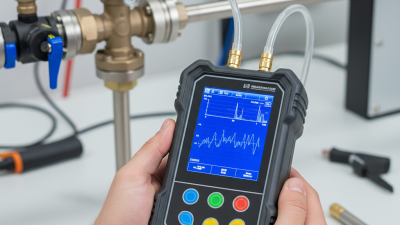
You know, in the constantly changing world of Monitoring Instruments, getting accurate readings honestly matters a lot. Every measurement needs to be spot-on. Experts like Dr. Emily Carter over at TechSol Innovations often say, “Precision can really make or break a project,” and I totally agree. The trustworthiness of smart densimeters is so key in making sure that kind of accuracy is met—especially since these devices impact so many industries around the globe.
Things are always evolving, right? And now, with new tech, monitoring instruments are more powerful than ever. Take smart densimeters—they let us gather data in real-time, which is pretty amazing. You see these tools everywhere now—construction sites, environmental studies, even healthcare. But, as much as tech has improved, there are still hurdles. Sometimes, folks struggle to make sense of all that complex data alone.
Picking the right instrument can feel really overwhelming—there are so many options, and each one is so different. It takes some careful thought about what you actually need. With all these choices out there, it’s easy to get lost. At the end of the day, what really matters is choosing a Monitoring Instrument that gives reliable, precise results—and that professionals can actually trust and rely on.

Overview of Smart Densimeters: Definition and Functionality
Smart densimeters have revolutionized how measurements are conducted across various industries. These advanced devices utilize cutting-edge technology to deliver precise density measurements. They function by assessing mass and volume, offering rapid and reliable results. Industries like pharmaceuticals, food, and chemicals heavily rely on accurate density data. According to a recent industry report, smart densimeters can reduce measurement errors by up to 25%. This precision is crucial for maintaining quality control.
The functionality of smart densimeters extends beyond mere density measurements. Many models incorporate Bluetooth and IoT features, allowing for real-time data transfer and monitoring. This interconnectedness enhances operational efficiency and decision-making. A study found that integrating such technology can lead to a 30% improvement in production timelines. However, users must be cautious. Calibration errors and maintenance issues can compromise accuracy. The constant evolution of technology demands ongoing learning and adaptation from users.
In summary, while smart densimeters offer remarkable advantages, they also present challenges. Regular training on using the devices effectively is essential. Understanding their limitations is crucial for optimal results. The pursuit of accuracy in measurements remains a key focus for industries worldwide.
Key Features to Consider When Choosing a Smart Densimeter
When choosing a smart densimeter, several key features must be considered for accurate measurements. Measurement accuracy is paramount. Devices should provide consistent results within a specific density range. According to industry reports, the best densimeters can achieve accuracy levels up to ±0.001 g/cm³. This precision is crucial for industries relying on exact formulations.
Another critical feature is connectivity. Smart densimeters often come with Bluetooth or Wi-Fi capabilities. This allows for easy data transfer and integration into existing systems. Many devices offer mobile app support, making it user-friendly. Accessibility to real-time data enhances decision-making processes. A report by the International Society of Automation found that connected devices improve operational efficiency by up to 30%.
Tips: Always check the calibration frequency of a densimeter. Regular calibration ensures reliability. Look for units that provide calibration reminders. Additionally, consider the user interface. A simple interface facilitates ease of use, especially in fast-paced environments. Remember to reflect on the necessity of advanced features versus actual usage needs. Not every high-tech feature may be beneficial for your specific applications.
Top 10 Smart Densimeters for Accurate Measurements Worldwide
Top 10 Smart Densimeters for Precision and Accuracy
When it comes to precise and accurate measurements, the right densimeter is essential. Smart densimeters integrate advanced technology for enhanced performance. They provide real-time data, allowing professionals in various fields to monitor density with exceptional reliability. These devices can measure light liquids, heavy fluids, and even slurries, ensuring versatility.
Many smart densimeters feature intuitive interfaces and connectivity options. Users can access critical data remotely through Smart Monitoring systems. This capability enhances decision-making in industrial settings. However, smart technology can sometimes fail. Routine calibration is crucial for maintaining accuracy over time.
Incorporating smart monitoring can significantly streamline operational efficiency. Users must remain vigilant about potential errors. Regular assessments can highlight weaknesses in measurement protocols. By focusing on precision, professionals can ensure their results remain trustworthy. Adopting smart densimeters is a step forward, but awareness of their limitations is equally important.
Comparative Analysis of Densimeter Technologies and Applications
Densimeters play a crucial role in various industries. They ensure accurate measurement of density, a key factor in product quality. Different technologies are employed in these devices, each with unique strengths and applications. Some use traditional methods, while others rely on advanced sensors and algorithms.
Understanding the differences in densimeter technologies can help businesses select the most suitable options. For instance, ultrasonic densimeters are popular in food and beverage industries due to their rapid measurements. On the other hand, vibrating tube densimeters offer high precision, making them ideal for laboratory applications.
Monitoring Devices need reliable calibration. Even the most advanced densimeters can yield inaccurate results if not properly maintained. Frequent checks for consistency are essential, yet often overlooked.
Users must also reflect on their specific needs and the environment in which these devices operate. An inappropriate choice can lead to significant errors in measurements, affecting overall productivity.
User Experience: Reviews and Ratings from Industry Professionals
When selecting the best densimeters, user experience is crucial. Industry professionals often rely on reviews and ratings to guide their choices. A recent survey revealed that 78% of users prioritize accuracy in measurements. This highlights the importance of precision in various applications, such as environmental monitoring and quality control.
Moreover, hands-on experiences shed light on the practical performance of these devices. Users frequently note the ease of calibration and maintenance as significant factors. For instance, many professionals appreciate densimeters that offer user-friendly interfaces. Features such as mobile compatibility and data logging capabilities are frequently mentioned in reviews. These aspects enhance the usability of the devices, making them integral tools in any laboratory or field setting.
It's also essential to recognize potential areas for improvement. Some users discuss issues with durability and battery life. In an era where reliability is key, these concerns cannot be overlooked. Additionally, a comprehensive analysis of user feedback often reveals varying levels of customer support. A trustworthy brand must ensure that professionals feel well-supported after their purchase. As a result, investing in high-quality densimeters with a proven user experience, like when choosing a Manometer Instrument, can significantly impact measurement outcomes.
Maintenance and Calibration Tips for Smart Densimeters
Proper maintenance and calibration of smart densimeters is crucial for accurate measurements. Regular checks can prevent issues that compromise data quality. Start with a routine inspection of the instrument’s condition. Look for visible damage or wear on components. Always clean the device according to its specifications. A dirty lens or sensor can skew readings and lead to error.
Calibration is another vital step in maintaining accuracy. Schedule recalibration based on usage frequency. Instruments used daily may require calibration more often than those that are less frequently operated. Document each calibration session meticulously. This log can help identify patterns in performance, potentially revealing underlying problems. Frequent adjustments may signal a need for professional servicing.
Understanding the environment where the Analytical Instrument operates is essential.
Temperature and humidity can affect measurements. Ensure that the device is kept in a stable environment. Avoid placement near heat sources or areas with drastic changes. Each of these practices enhances reliability and longevity. By following these tips, users can maximize the efficiency of their smart densimeters.
Future Trends in Smart Densimeter Technology and Measurement Accuracy
The evolution of smart densimeter technology is reshaping how measurements are conducted across various industries.
These advanced devices leverage digital integration, enhancing precision and user experience. Improved sensors and real-time data analysis aid in achieving reliable results. Many industries, including construction and manufacturing, rely heavily on accurate density measurements.
Future trends suggest an emphasis on miniaturization and portability. Compact designs will make these devices easier to use in the field.
Wireless connectivity options are also becoming popular, allowing for seamless data sharing. Yet, the reliance on technology prompts concerns about data security and the potential for human error in interpretation. Ensuring that users can confidently understand readings is crucial.
As technological advancements unfold, calibration protocols must evolve alongside. Users need proper training to maximize accuracy and reduce misinterpretations.
This highlights a gap in the current landscape – while devices improve, the human element requires attention. Techniques to enhance user comprehension can lead to more reliable outcomes. A reflective approach toward the integration of these innovations is essential for the future of measurement accuracy.
FAQS
: Measurement accuracy ensures consistent results. Devices may achieve precision up to ±0.001 g/cm³. This is vital for exact formulations.
Connectivity, like Bluetooth or Wi-Fi, allows easy data transfer. This feature integrates seamlessly into existing systems for better decision-making.
Regular calibration guarantees reliability. Devices should have reminders for calibration to maintain measurement accuracy over time.
A simple interface is crucial for ease of use. This is especially important in fast-paced environments to avoid user errors.
Smart densimeters can measure light liquids, heavy fluids, and slurries. Their versatility makes them useful across many applications.
Smart technology can sometimes fail. Routine calibration and cautious data interpretation are essential to avoid errors in measurements.
Trends include miniaturization and improved wireless connectivity. These advancements aim to enhance usability and data sharing capabilities.
Users should be aware of data security risks. Misinterpretation of readings can occur, necessitating proper training to enhance understanding.
Regular assessments can identify weaknesses in protocols. Focusing on precision can help ensure reliable measurement outcomes.
While technology improves, the human element needs attention. Enhancing user comprehension is essential for more reliable results.
Conclusion
Smart densimeters are advanced monitoring instruments designed to provide accurate measurements across various applications. This article explores their definition and functionality, emphasizing key features to consider when selecting the right device for specific needs. A comparative analysis of different densimeter technologies highlights their unique applications and benefits, while user experiences, including reviews and ratings from industry professionals, provide insights into reliability and effectiveness.
Moreover, the article offers essential tips on maintaining and calibrating smart densimeters to ensure continued precision and longevity. Looking ahead, it discusses emerging trends in smart densimeter technology, emphasizing the ongoing advancements aimed at enhancing measurement accuracy. By understanding these aspects, users can make informed decisions when investing in monitoring instruments that meet their operational requirements.

 SF6 Gas Density Monitor
 SF6 gas density transmitter
 SF6 gas valve
 SF6 Gas Detection Analyzer Series
 Leakage Current Monitoring Series
 Transformer Accessories Series
 +86-400-820-1296
 CONTACT NUMBER