Leave Your Message
0%

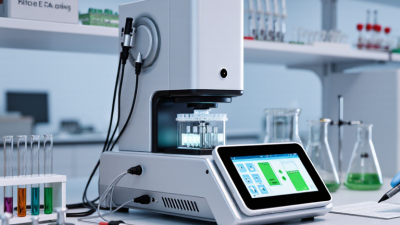
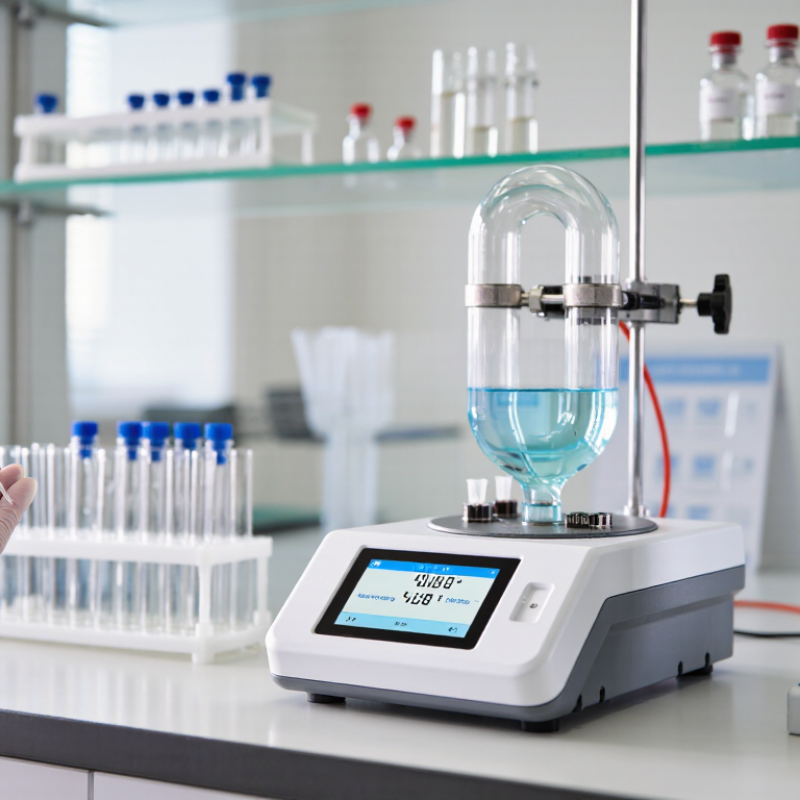
You know those old-school hydrometers? Well, a smart densimeter is like that, but on steroids. It doesn't just tell you how dense a liquid is — it actually takes that physical reading and turns it into proper digital data you can use. And here's the kicker: it packs density, temperature, and even sample ID all into one neat little device, which is pretty handy. How does it work? It's got this tiny oscillating tube inside. You fill it with liquid, and the tube starts vibrating — but here's the thing: the frequency of that vibration shifts depending on how heavy the liquid is and its density. So basically, it's a clever trick of physics doing the heavy lifting.

So, the instrument picks up that change using an electronic sensor – pretty straightforward. Then the software crunches the numbers and shows the density on the screen. But here's the thing: temperature compensation really matters. A warm sample can expand, making it look less dense, while a cold one might seem denser than it actually is. If you skip that compensation step, you might get a reading that's technically clean but still totally off-base. It could mislead the operator big time. Hey, so a Gas Manometer Gauge measures gas pressure — not liquid density. But here's the kicker: both kinds of instruments really depend on accurate sensors and careful calibration.

You know, it's often the little things that trip you up. When you're using a densimeter, you've got to be careful—rinse the cell properly, make sure there are no bubbles clinging to the walls, and give it time to settle at a stable temperature. Honestly, even one tiny bubble can throw off the whole reading, and you'd never guess it. Using certified reference materials for calibration? That definitely boosts your confidence in the numbers. But here's the thing: no smart densimeter is perfect, no matter how fancy it is. If the cell's scratched or dirty, the sample's contaminated, or your reference value is off, the instrument might give you a result that looks perfectly reasonable—but it's totally unreliable. That's a sneaky little weakness, and it deserves a bit more attention than it usually gets. So, here's the thing – when you're doing your routine work, make sure you jot down the sample condition, when you last calibrated, and your instrument settings. It might seem like a hassle, but trust me, these little notes are your best friend for traceability. They also help you spot weird changes that could indicate a problem. Sure, smart tech can crunch the numbers for you, but it's not a replacement for good old professional judgment. And if you get a reading that just doesn't look right? Honestly, it's usually smarter to run the test again than to just go with the first number you see.
What Is a Smart Densimeter and How Does It Work?

Definition and Purpose of a Smart Densimeter

A smart densimeter is a digital instrument that measures a material’s density and adds temperature compensation, data storage, and communication functions.

Its purpose is practical: to confirm product concentration, detect contamination, and support stable process control. For liquids, many models use a vibrating tube. The sample changes the tube’s oscillation, and software converts that response into density. For gases, pressure and temperature data become essential. A Gas Manometer can provide pressure information, but it does not measure density by itself.

This matters in energy, chemicals, food processing, and laboratories. The International Energy Agency’s World Energy Outlook 2023 reported that industry represented about 37% of global final energy consumption in 2022. Small measurement errors can therefore affect large production streams and energy decisions.

In field work, I would check sample temperature first. Air bubbles, residue, and poor cleaning can shift a reading within seconds. It is not magic.

Reliable use also depends on traceable calibration. ASTM D4052 describes a recognized oscillating-tube method for liquid density, while NIST Technical Note 1297 explains how measurement uncertainty should be evaluated. ISO/IEC 17025 further supports competent laboratory testing and calibration.

A smart densimeter may flag drift, record timestamps, and send readings to a control system. Yet automation can create false confidence. A sensor may report precise numbers while the sample itself is unrepresentative. Operators still need reference fluids, routine checks, and records of pressure, temperature, and cleaning conditions.

My own preference would be simple: verify the instrument before trusting the dashboard.

Core Components and Sensor Technologies

A smart densimeter combines a sensing cell, temperature probe, signal processor, and communication module. Its core sensor is often an oscillating U-tube. When liquid enters the tube, its vibration frequency changes with mass density. The processor converts that frequency into a density reading, then applies temperature compensation. ASTM D4052 describes this digital density method for liquids and includes density, relative density, and API gravity measurements.

Temperature control is critical. A difference of only 0.1°C can affect readings in fluids with high thermal expansion. Many instruments therefore use a precision resistance temperature detector beside the measuring cell. Some systems also add pressure sensors, optical bubble detection, or ultrasonic checks. These features help identify unstable samples before data reaches a control dashboard. A real-time trend can show a filling line drifting from 0.845 to 0.850 g/cm³ within minutes.

Smart densimeters usually combine embedded software with wired or wireless data transfer. The software stores calibration records, timestamps, and measurement uncertainty. NIST Technical Note 1297 recommends reporting expanded uncertainty with a coverage factor of about 2, representing roughly 95% confidence. That detail matters in audits. Yet automation is not infallible. Air bubbles, residue, and poor temperature equilibrium can still produce convincing but incorrect values. Operators should inspect the cell and question sudden stability. The machine may be precise, but the sample may not be.

How a Smart Densimeter Measures Density

What Is a Smart Densimeter and How Does It Work?

How a Smart Densimeter Measures Density

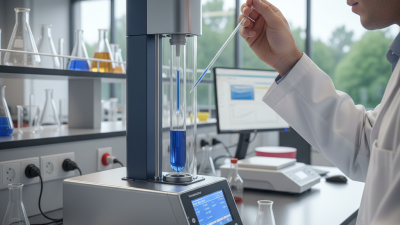
A smart densimeter measures density by observing how a sample affects a precision sensing element. In many laboratory instruments, the sample fills a small oscillating tube. The tube vibrates at a natural frequency. Denser samples increase its mass and reduce the vibration frequency. The instrument compares this change with calibrated reference values. It then calculates density automatically.

Temperature control is essential. A warm liquid usually expands, which can lower its density. Built-in temperature sensors record the sample temperature during measurement. Software applies a temperature correction and displays the result quickly. Some systems also connect with a Digital Gas Manometer for pressure monitoring during gas measurements. Pressure data helps the instrument interpret gas density under controlled conditions.

Small details affect accuracy. Air bubbles, incomplete filling, or residue inside the tube can distort the reading. I have found that careful rinsing and steady sample injection matter as much as the sensor itself. The instrument should also be calibrated with suitable reference materials. Not perfectly simple. A reading can look precise while still reflecting poor handling. Operators should repeat questionable tests and compare results with process records. This practical check often reveals problems that software cannot identify.

Data Processing and Digital Connectivity

A smart densimeter converts a liquid’s physical response into a density reading. A sensor detects changes in oscillation, pressure, or buoyancy. An internal processor then applies temperature compensation and calibration data. This matters because a sample can change noticeably between 20°C and 25°C. Without correction, the displayed value may look precise but remain misleading. In practice, operators should check the measurement cell for bubbles, residue, and uneven filling.

Data processing happens in several small stages. The device filters unstable signals before calculating density. It may compare repeated readings and flag unusual variation. A timestamp, temperature value, and operator note can travel with each result. This creates a more useful record than a single number on a screen. However, filtering can hide real changes if its settings are too aggressive. That deserves review.

Digital connectivity extends the instrument beyond the laboratory bench. A wired connection can transfer results to quality systems with fewer manual steps. Wireless links may send readings to a tablet or secure data platform nearby. Access controls, encryption, and audit trails help protect measurement records. Reliable systems also show connection status and failed transfers clearly. A missing record should never appear as a successful upload. Poor network conditions still happen. Staff need a simple local-storage option and a clear recovery process. Calibration history should remain attached to every exported result. Clean data is useful, but only when people understand how it was produced.

Common Applications Across Different Industries

What Is a Smart Densimeter and How Does It Work?

Common Applications Across Different Industries

A smart densimeter measures liquid or gas density and adjusts readings for temperature changes. Many systems use an oscillating tube, where frequency shifts as the sample’s mass changes. A Gas Density Manometer can support gas analysis when pressure, temperature, and composition must be tracked together. Digital records also help technicians compare production batches and detect unusual readings quickly. Still, no sensor is perfect. Dirty cells, trapped bubbles, and poor calibration can distort results.

In food processing, density checks help control milk, syrups, oils, and fermented drinks. The FAO reports that 13.2% of food is lost between harvest and retail globally. Better process control may reduce avoidable waste, although density alone cannot solve it. In energy operations, technicians use density data to assess fuels, blending consistency, and compressed gases. The International Energy Agency expects global oil demand to reach about 105.4 million barrels per day by 2030. Small measurement errors can therefore affect large storage and transport systems. Chemical plants use smart densimeters for concentration control, while pharmaceutical facilities use them for incoming materials and batch verification.

Tips: Keep the measuring cell clean and remove visible bubbles before testing. Verify calibration with certified reference materials. Record temperature, pressure, sample origin, and operator details. Wireless alerts are useful, but human review still matters. A convenient number can be wrong.

Smart Densimeter Applications: Typical Material Density

Smart densimeters measure density by determining mass and volume, helping industries verify composition, concentration, purity, and process consistency. The chart shows commonly referenced density values at approximately 20°C; actual readings vary with temperature and formulation.

Reference values: water ≈ 1.00 g/cm³, ethanol ≈ 0.789 g/cm³, milk ≈ 1.03 g/cm³, diesel fuel ≈ 0.83 g/cm³, honey ≈ 1.36 g/cm³, and aluminum ≈ 2.70 g/cm³.

Calibration, Accuracy, and Maintenance Requirements

What Is a Smart Densimeter and How Does It Work?

A smart densimeter measures liquid density through controlled oscillation inside a sensing cell. The instrument converts vibration changes into a density value. Temperature compensation helps maintain stable results during routine testing. However, a digital display does not guarantee accuracy. Calibration remains essential, especially when testing samples near specification limits. In my experience, a clean cell often matters more than advanced software.

Calibration should use certified reference materials with known density values. Let the instrument and reference material reach the same room temperature first. Record the temperature, reference value, and displayed result in a calibration log. If the difference exceeds the laboratory’s acceptance range, stop testing and investigate. Possible causes include air bubbles, residue, unstable temperature, or incorrect Manometer Use during connected pressure checks. A small bubble can shift the result noticeably. That detail is easy to overlook.

Tips: Rinse the measuring cell immediately after each sample. Use a compatible cleaning solution, then dry the cell with clean air. Never scratch the sensing surface with metal tools. Check seals, tubing, and temperature sensors during scheduled maintenance. Keep the unit covered when idle. Repeat a control measurement after cleaning. If results drift, do not simply recalibrate repeatedly; inspect the sample handling process first. I still find this step challenging because operator technique can change quietly over time. Calibration records should include the operator, date, reference material, temperature, and corrective action.

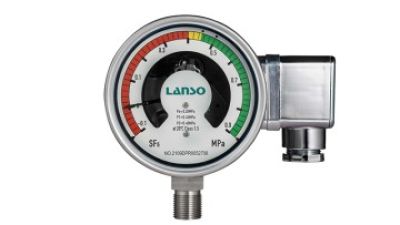
China HM100PR SF6 Density Monitors: Insights from CIGRE TB 276 and IEC 60376 Industry Data

SF6 density monitoring is a critical part of maintaining sealed high-voltage equipment. CIGRE Technical Brochure 276 emphasizes that reliable gas management depends on early detection of leakage, accurate condition assessment, and controlled handling procedures. Because SF6 pressure varies with temperature, density-based measurement provides a more meaningful indication of insulation performance than pressure readings alone. For equipment operating above 500 kV, dependable alarm functions and continuous supervision are especially important.

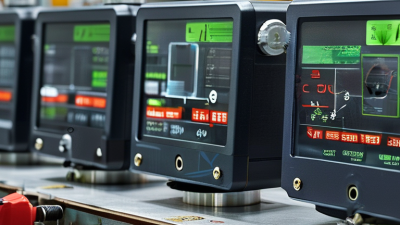
The HM100PR SF6 Density Monitor is designed for sealed tanks and can issue alarm signals when density falls to preset levels. It also supports real-time transmission of density data for online remote monitoring, helping maintenance teams identify abnormal conditions before they affect system availability. Its multi-level protection and extensive shielding measures are suitable for demanding EHV environments, where electromagnetic interference and harsh operating conditions can challenge monitoring instruments.

IEC 60376 establishes technical requirements for new SF6, including controls for purity, moisture, and impurity levels. Although the standard focuses on gas quality rather than monitoring equipment, its requirements reinforce the need for accurate density supervision throughout the service life of electrical apparatus. Manufactured and supplied in China, HM100PR monitors offer a practical solution for substations and other high-voltage installations seeking stable alarms, dependable data transmission, and long-term operational reliability.

FAQS

What is a smart densimeter used for?

It measures liquid or gas density, supports concentration checks, and helps identify contamination or process changes. A useful control tool.

How does a smart densimeter measure liquid density?

Many models use an oscillating tube. The sample changes its vibration, and software converts that change into density. Temperature also matters.

Can a smart densimeter measure gas density alone?

Gas testing usually needs pressure, temperature, and composition data. A pressure instrument alone cannot measure density. Context is essential.

Which industries use smart densimeters?

Food plants check milk, syrups, oils, and fermented drinks. Chemical, energy, pharmaceutical, and laboratory teams use them too. Applications vary widely.

What can cause inaccurate density readings?

Air bubbles, residue, unstable temperature, dirty cells, and unrepresentative samples can distort results within seconds. A precise display can still mislead.

How should a smart densimeter be calibrated?

Use certified reference materials. Match the instrument and material temperatures, then record the displayed value and test conditions. Do not guess.

What maintenance does a smart densimeter require?

Rinse the measuring cell after testing. Use a compatible cleaner, dry it with clean air, and inspect seals and tubing. Avoid metal tools.

What information should operators record?

Record the sample source, temperature, pressure, operator, date, reference value, and any corrective action. Small details protect decisions.

Are automatic alerts enough for quality control?

No. Alerts can reveal unusual readings, but operators must review samples, calibration status, cleaning, and measurement conditions. Automation is helpful, not infallible.

What should happen when readings drift?

Stop relying on the result. Check bubbles, residue, temperature, sample handling, and reference measurements before recalibrating. I might overlook technique.

Conclusion

A smart densimeter is an advanced instrument designed to determine the density of liquids, gases, or solids with speed and high precision. It combines sensing elements, temperature compensation, electronic controls, and embedded software to detect changes in mass, volume, pressure, or vibration. Depending on the measurement method, technologies may include oscillating tubes, pressure sensors, ultrasonic elements, or optical detectors. Unlike a traditional Gas Manometer Gauge, which primarily indicates pressure differences, a smart densimeter processes multiple measurements to calculate density more directly and reliably.

After collecting sensor signals, the device applies calibration data and correction algorithms to compensate for temperature, pressure, and environmental variations. Digital interfaces can transfer readings to computers, control systems, or mobile platforms for monitoring and recordkeeping. Smart densimeters are useful in laboratories, chemical processing, food and beverage production, energy systems, pharmaceuticals, and quality control. Regular calibration with certified reference materials, routine cleaning, inspection of seals and sensors, and proper environmental control are essential for maintaining accuracy, repeatability, and long-term performance.
Sophia

Sophia

Sophia is a dedicated marketing professional at an innovative and high-tech enterprise specializing in the development of advanced monitoring solutions for sf6 and alternative insulating gases, as well as digital transformer accessories. With a deep understanding of the industry and a keen insight......
Previous China Top Smart Densimeter Manufacturers How to Choose?