Leave Your Message
0%

Picking among China’s top smart densimeter manufacturers? It’s not just about price tags or how sleek the screen looks. You really want a supplier who’s actually been around the block with density measurement—someone consistent in production and quick to help when tech questions come up. And the instrument itself? It needs to fit your material, your temperature range, your sample volume, and the way your lab actually works. Honestly, the little details can make or break the whole thing.

So, when you're picking a manufacturer, look for one that actually gives you clear specs, factory docs, user training, and calibration procedures you can verify. Ideally, an accredited lab should be able to back up the measurement uncertainty and traceability too. Because at the end of the day, a Calibration Instrument is only really valuable if its readings stay dependable in real-world operating conditions. When you're looking into this, ask for demo data that actually resembles your own samples. It's also worth asking for service records, details about the software, what the warranty covers, and whether spare parts are available. And honestly? If someone starts throwing around impressive accuracy claims, don't just take their word for it—ask what test conditions they used.

Honestly, a good comparison should also look at how well they communicate. Can the supplier actually explain repeatability, cleaning needs, and automatic temperature compensation in plain English, without hiding behind jargon? And if results start drifting after a few months, can their engineers step in and help? Those kinds of questions tell you way more than a shiny catalog ever will. Some buyers get too hung up on the lowest quote. That might save a little now, but it can get expensive later. And, yeah, no shortlist is ever perfect. I might also miss regional service differences unless I verify things directly with the factory. So before you commit to buying, it's smart to lean on independent testing, real customer references, and a solid paper trail for quality systems. Doing that makes it way easier to find a China-based smart densimeter manufacturer that really knows its stuff, offers clear support, and has gear that fits the everyday grind of a lab.
China Top Smart Densimeter Manufacturers How to Choose?

What Is a Smart Densimeter and How Does It Work?

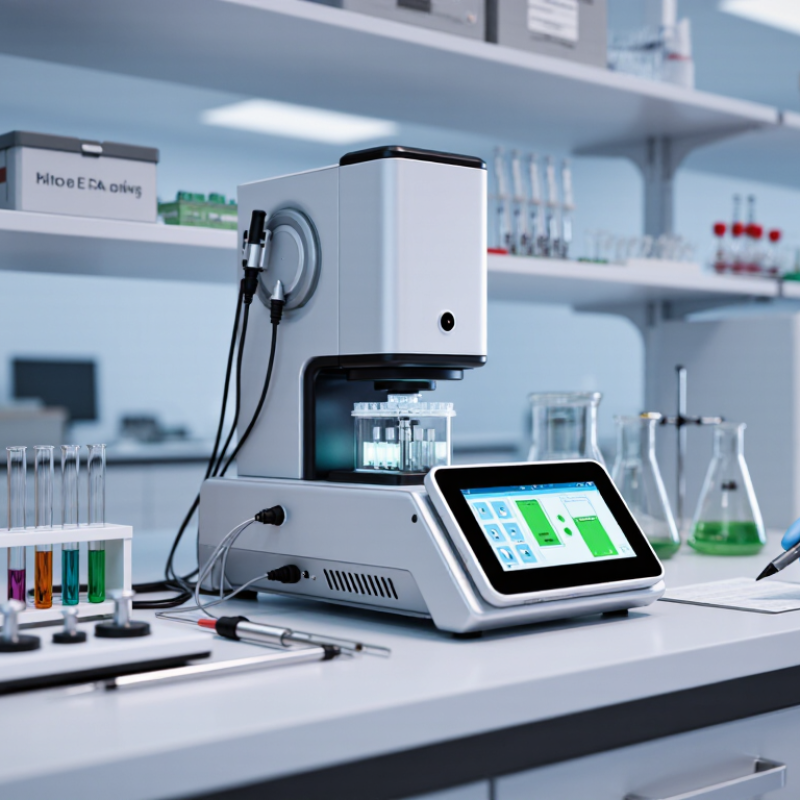
A smart densimeter measures liquid density and converts the result into a digital reading. Unlike a basic Manometer Instrument, it does more than display pressure. It combines sensing, temperature measurement, data processing, and user controls in one device. Many models use an oscillating tube. When liquid enters the tube, its vibration changes according to the sample’s mass and density.

The internal processor analyzes this vibration and applies temperature compensation. This matters because density can shift noticeably with only a small temperature change. In practical testing, operators often inject a small sample through a clean inlet. The screen may then show density, temperature, concentration, or specific gravity within seconds. Some instruments also store readings, export data, and flag unstable samples. Bubbles remain a problem. Even a tiny air pocket can distort the result.

Choosing a reliable manufacturer requires more than comparing screen size or purchase price. Check calibration procedures, reference standards, sensor materials, response time, and service support. A strong supplier should explain measurement uncertainty in clear terms. It should also provide operating instructions that technicians can follow without guessing. I still recommend repeating a reading after cleaning the cell. Small residues can survive unnoticed. No smart densimeter is perfect, especially with viscous or particle-filled liquids. That limitation deserves honest attention before routine production use.

Which Industries Use Smart Densimeters?

Smart densimeters serve industries where density reveals composition, purity, or process stability. Beverage producers use them to check sugar concentration in soft drinks, beer, and wine. The OIV reported global wine production at about 237 million hectolitres in 2023. Small density errors can affect fermentation records and filling consistency.

Pharmaceutical manufacturers use this Analytical Instrument for liquid formulations, solvents, and quality-control checks. United States Pharmacopeia Chapter describes density measurement practices for pharmaceutical materials. Chemical plants also monitor acids, solvents, and blended liquids. In petroleum laboratories, ASTM D4052 supports density testing for fuels and related products. Food processors apply densimeters to syrups, oils, sauces, and dairy mixtures. Battery and specialty-material producers may use them when liquid electrolyte composition requires close control. The application is broader than many purchasing teams expect.

Tips: Match the measuring range with your real samples, not only the product brochure. Check temperature control, cleaning time, sample volume, and data-export functions. Ask for traceable calibration records. A fast reading is not automatically a reliable reading. Operators should compare results with laboratory references during installation and after maintenance. Sampling still matters. Bubbles, residue, and temperature drift can distort results. This is where teams sometimes overtrust automation. A short training log and periodic verification can expose these quiet errors before they affect a production batch.

China Top Smart Densimeter Manufacturers: Which Industries Use Smart Densimeters?

Smart densimeters are widely used for quality control and process monitoring in industries where liquid density indicates product composition, concentration, purity, or consistency. The chart shows representative density ranges of common liquid products, measured in g/cm³.

The ranges represent commonly encountered liquid products and are intended to illustrate typical smart densimeter applications rather than market share or company performance.

What Features Define a High-Quality Smart Densimeter?

A high-quality smart densimeter should deliver stable readings, not merely display attractive numbers. In routine laboratory work, repeatability matters as much as advertised accuracy. Look for automatic temperature compensation, because density changes noticeably with temperature. A clear measurement range helps prevent unsuitable sample testing. The sensor should resist common cleaning fluids and maintain performance after repeated use. Small errors matter.

Reliable instruments also provide guided calibration with traceable reference materials. Calibration records should include date, operator, temperature, and reference value. This information supports audits and makes unexpected results easier to investigate. A responsive touchscreen is useful, but simple menus reduce training mistakes. The software should flag unstable samples, air bubbles, and incomplete filling. Otherwise, automation can create false confidence.

Data handling deserves close attention when comparing smart densimeter manufacturers in China. Choose equipment that exports protected results, preserves original readings, and records adjustments transparently. Network access may improve workflow, yet offline operation remains valuable during connection failures. Ask for documented test reports, service procedures, and realistic maintenance intervals. A strong supplier should explain uncertainty instead of promising perfect accuracy. Automation is not magic. An instrument may perform well in demonstrations but struggle with viscous or foaming samples. Request application trials using materials similar to yours. That practical check often reveals more than a polished brochure.

How to Compare China’s Top Smart Densimeter Manufacturers?

Comparing China’s top smart densimeter manufacturers requires more than checking price lists and polished product pages. Start with measurement performance. Ask for repeatability data, working temperature ranges, resolution, and documented calibration methods. Test the instrument with suitable reference liquids, not only clean water. Small temperature changes can affect density readings. A serious manufacturer should explain compensation algorithms clearly and provide traceable calibration certificates.

Look closely at the complete system. Compare sensor construction, display readability, battery life, software compatibility, and data export formats. If the instrument connects to laboratory software, request a live demonstration. Check how quickly readings stabilize in real working conditions. Test the basics. A fast interface means little if records are difficult to retrieve. Ask whether firmware updates are controlled, documented, and reversible when problems occur.

Factory experience also matters. Review quality-control procedures, inspection records, training practices, and production consistency across sample units. Speak with technical staff, not only sales representatives. Their answers often reveal practical expertise. Request a sample before placing a large order, then compare several units under identical conditions. Data can drift. Manufacturers should explain maintenance intervals, replacement parts, warranty limits, and response times. Do not rely on impressive claims alone; independent verification remains valuable. I have seen buyers focus on accuracy while overlooking cleaning routines and operator training. That mistake can make a capable densimeter appear unreliable.

Which Technical and Quality Standards Should Manufacturers Meet?

Choosing a smart densimeter manufacturer requires more than checking its display or connectivity. An Industrial Instrument should follow ASTM D4052 for digital density measurement. For regulated transfer applications, applicable OIML R 117 requirements may also matter. Ask for accuracy, repeatability, temperature range, sample volume, and response time. Small bubbles can shift readings. Temperature control matters.

Quality evidence is equally important. The ISO Survey 2022 reported 1,265,216 ISO 9001 certificates worldwide, showing the scale of quality management adoption. Certification alone does not prove density accuracy. Calibration should follow ISO/IEC 17025, with traceability to SI units. NIST Technical Note 1297 recommends evaluating every significant uncertainty component. Request calibration records, reference-fluid data, software versions, and sensor-drift results.

Test the details yourself. Compare readings with certified reference liquids at several temperatures. Check cleaning validation, material compatibility, alarm behavior, and data retention after power loss. A glossy brochure is not evidence. Some manufacturers publish only best-case repeatability, which deserves caution. I would ask for failed-test examples and stated acceptance limits. Cybersecurity and long-term sensor aging also receive less attention than accuracy claims. That gap needs reflection. Choose a supplier willing to disclose uncertainty, repair intervals, firmware controls, and technical limitations in writing.

How to Evaluate Pricing, Support, and Long-Term Reliability?

Choosing a China-based smart densimeter manufacturer requires more than comparing quoted prices. A low-cost Monitoring Instrument may hide calibration, software, and installation charges. Build a three-year ownership estimate, including spare sensors, annual verification, shipping, training, and downtime. Cheap is tempting. That assumption is risky.

ASTM D4052 precision tables report repeatability near 0.0005 g/mL for certain liquid-density applications. Ask suppliers to demonstrate this performance using certified reference materials, not only distilled water. Check temperature control, measurement range, sample volume, and automatic cleaning. Request raw test records from several units. One polished demonstration proves little.

Support quality often determines long-term reliability. ISO/IEC 17025:2017 emphasizes technically valid results, traceable calibration, and competent equipment control. Therefore, request calibration certificates, uncertainty statements, firmware-change records, and a written response-time agreement. A useful service plan should define remote diagnostics, replacement-part availability, and escalation procedures. Ask how many field failures occurred during the previous twelve months. Some manufacturers may hesitate. That hesitation deserves attention.

Pricing should match measurable value. Compare warranty length, preventive-maintenance intervals, data export functions, and compatibility with laboratory software. Confirm whether updates remain available after the warranty expires. Reports from independent testing laboratories can reveal drift that brochures omit. A final concern remains: published accuracy may reflect ideal conditions, while daily samples contain bubbles, residue, or temperature variation. Evaluate those conditions before signing.

FAQS

What does a smart densimeter measure?

It measures liquid density and displays the result digitally. It may also show temperature, concentration, or specific gravity. The device does more than display pressure. It combines sensing and data processing.

How does a smart densimeter work?

Many models use an oscillating tube. Liquid enters the tube and changes its vibration. The processor analyzes this change to calculate density. Temperature compensation improves the reading. Small temperature shifts matter.

How should a sample be prepared?

Inject a small sample through a clean inlet. Fill the measuring cell completely and avoid trapped air. Even a tiny bubble can distort the result. Viscous liquids may need extra care. Slow filling often helps.

Why is temperature compensation important?

Liquid density can change noticeably with temperature. The instrument measures temperature and adjusts the density result. This creates more consistent readings during routine testing. Still, temperature control is not perfect. Room changes can matter.

Which features indicate a high-quality instrument?

Look for stable readings, automatic temperature compensation, and a suitable measurement range. The sensor should resist common cleaning fluids. Useful software flags bubbles, unstable samples, and incomplete filling. Guided calibration can reduce operator mistakes. Simple menus help.

How can calibration quality be checked?

Request calibration records with the date, operator, temperature, and reference value. Traceable reference materials provide stronger evidence than water-only demonstrations. Ask for measurement uncertainty in clear language. Repeat a reading after cleaning the cell. Residue can remain unseen.

How should suppliers be compared?

Compare calibration procedures, sensor materials, response time, and service support. Request application trials using liquids similar to yours. Ask for raw test records from several units. One polished demonstration proves little. Support may matter more than screens.

What costs should be included in the purchase decision?

Estimate three-year ownership costs, not only the purchase price. Include verification, spare sensors, cleaning, training, shipping, and possible downtime. Check warranty coverage and software-update availability. A low initial price can hide later expenses. Cheap is tempting.

Conclusion

A smart densimeter is a digital instrument that measures liquid or gas density by detecting changes in vibration, pressure, or other physical properties and converting them into accurate density readings. It is widely used in laboratories, chemical processing, food and beverage production, pharmaceuticals, petroleum, environmental testing, and quality control. When selecting a supplier, buyers should examine measurement accuracy, repeatability, temperature compensation, automation, data connectivity, ease of cleaning, and compatibility with a Calibration Instrument. A high-quality model should also provide clear software, reliable sensors, durable construction, and simple maintenance procedures.

To compare China’s top smart densimeter manufacturers, evaluate their technical expertise, production capabilities, testing systems, certifications, and ability to customize equipment. Manufacturers should follow applicable international quality, safety, electromagnetic compatibility, and calibration standards, while providing traceable test records. Pricing should be assessed alongside warranty coverage, spare-parts availability, technical training, response time, and after-sales service. A dependable supplier offers transparent specifications, stable long-term performance, regular calibration support, and practical solutions that reduce operating costs throughout the instrument’s service life.
Isabella

Isabella

Isabella is a dedicated marketing professional at a leading innovation-driven high-tech company specializing in advanced monitoring solutions for insulating gases, including SF6 and its alternatives. With a deep understanding of the industry's intricacies and a commitment to excellence, Isabella......
Previous China Top 10 Smart Densimeter Manufacturers 2026