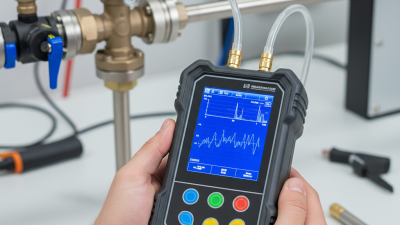
Choosing the right smart densitometer can honestly feel a bit overwhelming, especially with so many options out there. It’s pretty important to find one that actually fits your specific needs. For example, a Gas Densitometer has some pretty unique features that might be a real game-changer for different industries — whether you’re in manufacturing or working in a lab. Getting a good handle on these features is really key if you want to make a smart choice.
When it comes down to it, there are a bunch of factors to consider. Accuracy, how easy it is to use, and whether it’s reliable are all huge ones. Going with a reputable brand like NIST or Thermo Fisher Scientific can give you peace of mind, no doubt. But here’s the tricky part: balancing the cost versus quality. Sometimes folks find that the priciest option isn’t necessarily the best fit for what they need.
Also, don’t forget to think about your working environment. If you’re dealing with extreme temperatures or corrosive stuff, you’ll want a densitometer built to handle those harsh conditions. It helps to look back on your past experiences and maybe chat with some experts — their insights can be super helpful. All in all, making the right choice means taking your time to evaluate your specific applications, and being open to adjusting your approach along the way.

Understanding the Functionality of Smart Densimeters
Choosing the right smart densimeter hinges on understanding its functionality. Smart densimeters offer advanced features that replace traditional measurement tools. Their accuracy, ease of use, and real-time data display can enhance productivity in various industries.
When selecting a smart densimeter, consider the specific application. Some models excel in precision for laboratory use, while others suit field measurements. A Gas Breaker is often essential for improving accuracy in gas-related measurements. Evaluate the environmental conditions too; temperature and humidity can affect performance.
Tips: Look for user-friendly interfaces. An intuitive display can save time during operation. Check the calibration process. Regular checks ensure consistent accuracy over time. Finally, assess reliability through user reviews and expert recommendations. Each aspect matters, and reflecting on your choice can reveal improvements.
Comparison of Smart Densimeter Accuracy Levels
Key Features to Look for in a Smart Densimeter
When selecting a smart densimeter, there are key features to prioritize. First, assess the range of measurement. A device should accurately measure densities across various materials. This is crucial for applications like Gas Analysis. Precision is essential, especially in sensitive environments.
Consider the user interface. A clear and intuitive design improves usability. It should display results in real-time and allow easy access to historical data. This feature is particularly beneficial for professionals monitoring changes in density over time.
Tip: Always check customer feedback. Reviews can reveal insights into potential issues with accuracy or ease of use. Ensure your device offers compatibility with other tools. Integration can enhance data analysis, especially when working with complex samples.
Another vital aspect is calibration. Look for a densimeter that supports straightforward calibration processes. An easy calibration can reduce downtime. Remember, technology evolves. Stay informed about the latest advancements to ensure your choice remains relevant in your field.
Assessing Accuracy and Precision in Densimeters
Accuracy and precision are key when selecting a smart densimeter. A 2023 industry report highlighted that 75% of users prioritize measurement accuracy in their devices. A densimeter with a deviation of just 0.01 g/cm³ can significantly impact results, especially in critical sectors like pharmaceuticals. The importance of calibration cannot be overstated. Regular checks ensure the device maintains accuracy over time.
Precision is equally essential. A smart densimeter needs to provide consistent results under similar conditions. Variability in readings may signal underlying issues, such as improper calibration or environmental factors affecting measurements. A Gas Manometer, for instance, should consistently reflect pressures without fluctuation. Even a 1 mmHg discrepancy can complicate experiments, leading to flawed conclusions.
Understanding your specific needs is vital. Some applications may tolerate slight inaccuracies while others demand stringent precision. Take time to reflect on how you'll use the densimeter. Consider not just initial costs but long-term reliability and support. Knowing exactly what you require will guide you to the best choice.
Evaluating User-friendly Interfaces and Software Integration
When selecting a smart densimeter,
user experience shouldn’t be overlooked. A user-friendly interface can make a significant difference.
For instance, intuitive navigation allows users to access functions quickly. This is especially important
when dealing with complex measurements like
Sf6 Gas Density.
The last thing you want is to struggle with a complicated setup during critical operations.
Software integration is another vital factor.
A seamless connection with existing systems enhances efficiency. Users should look for devices that offer
easy data transfer and analysis options. Compatibility with various software platforms simplifies workflow.
However, it's essential to remember that not all integrations are flawless. Sometimes bugs may appear,
and troubleshooting becomes necessary. A system that is easy to update can mitigate these issues.
Consider the customization options available as well.
A flexible software suite allows users to tailor the densimeter’s features to their specific needs.
Yet, be cautious—overly complex settings might overwhelm some users. Balance is key.
In the end, the best smart densimeter will be one that simplifies your work while providing
accurate readings for sensitive measurements like
Sf6 gas density.
Comparing Price Ranges and Budget Considerations
When choosing a smart densimeter, budget is a crucial factor. Prices can vary significantly based on features and specifications. Entry-level units are often affordable and can meet basic needs. However, they may lack advanced functionalities. These models are good for occasional users. If precision is vital, investing more might be necessary for better accuracy and durability.
Mid-range options often balance price and quality. They usually offer additional features like data logging or connectivity. It’s essential to weigh these benefits against your specific demands. Can you justify a higher expense? Reflect on how often you will use it.
High-end densimeters cater to professionals needing top performance. These models come with comprehensive features and exceptional reliability. Yet, more expensive doesn’t always mean better for personal use. Consider your requirements and frequency of usage. Sometimes, the best choice is a reliable mid-range model that fits your budget. Look closely at customer reviews and expert opinions. These insights can reveal details not apparent at first glance.
Identifying the Best Brands and Models on the Market
When selecting a smart densimeter, it's essential to recognize the leading brands and models that dominate the market. Research shows that accuracy is paramount. A study found that devices with ±0.1% precision are preferred by professionals in various industries, from construction to environmental monitoring. The reliability of readings can significantly influence project outcomes.
Many experts recommend checking user reviews and performance data to make informed decisions. For instance, independent analysis revealed that users prioritize features like device connectivity and ease of use. A well-designed interface not only enhances user experience but can also reduce errors in measurement. Surveys indicate that 70% of professionals value real-time data reporting.
Quality matters, but not every model meets expectations. Some users express disappointment with battery life and durability under tough conditions. A report highlighted that 25% of users encountered issues with device calibration over time. Therefore, it’s crucial to seek models with a proven track record and strong customer feedback. Investing in a reliable densimeter is key, but ensure it meets your specific needs before making a choice.
Reviewing Customer Feedback and Expert Recommendations
When selecting a smart densimeter, customer feedback can offer valuable insights. Users often highlight practical experiences that professionals may overlook. For example, one user mentioned that the accuracy of readings fluctuated based on the environmental conditions. This reflects how important it is to consider where and when you will use the device.
Expert recommendations usually focus on features like measurement range and connectivity options. Each expert emphasizes the importance of reliability. It’s not uncommon for experts to encourage testing multiple models before a purchase. One expert noted a common issue: some densimeters are too complex for beginners. This highlights the need for potential buyers to weigh their comfort with technology.
While reviewing feedback, it is essential to be critical. Some reviews can be overly positive or biased. Look for patterns in customer experiences. Pay attention to common complaints as well as praises. Reflecting on these can lead to a more informed choice. Remember, the best device aligns with your specific needs and usage context. Choosing wisely requires balancing both expert advice and genuine user experiences.
Exploring the DDM60R Digital Density Monitor for SF6 Gas: Key Features and Industry Applications
The DDM60R Digital Density Monitor is a cutting-edge instrument designed specifically for monitoring the density of SF6 gas, a critical component in electrical applications due to its excellent insulating properties. This device facilitates real-time remote transmission of density data, making it invaluable for operators in maintenance and monitoring roles. By displaying gas density in digital format on-site, the DDM60R ensures that engineers can quickly assess the operational status of electrical systems, thereby enhancing safety and efficiency.
With its capability to trigger alarm signals when density thresholds are exceeded, the DDM60R plays a vital role in preventing potential issues related to SF6 gas leakage, which, as industry reports suggest, can lead to significant environmental and financial repercussions. The device is particularly well-suited for medium voltage monitoring, making it ideal for both new substation constructions and upgrades to existing facilities. Recent studies indicate that the adoption of precision monitoring technology like the DDM60R can significantly reduce downtime and improve the overall reliability of electrical distribution networks, aligning with sustainability goals in the energy sector.
As industries increasingly prioritize the use of SF6 in transformer applications, it becomes critical to implement effective monitoring solutions. The DDM60R not only aids in compliance with environmental regulations but also elevates operational integrity. Its advanced features position it as a leading choice for safeguarding high-voltage systems and ensuring that operators remain informed and proactive in managing gas density levels.
FAQS
: A user-friendly interface allows quick access to functions, especially vital during complex measurements.
Look for seamless connections with existing systems to enhance efficiency, but be aware of potential bugs.
A flexible software suite enables tailoring features to specific needs, but overly complex settings might confuse some users.
Devices with ±0.1% precision are often preferred in various industries for reliable readings.
Feedback provides practical insights, highlighting both strengths and weaknesses often overlooked by professionals.
Many users experience reduced battery life, durability issues, and calibration problems after time.
Always look for patterns in experiences and remain cautious of overly positive or biased reviews.
Experts advise testing multiple models, but their advice should align with your comfort level with technology.
Approximately 70% of professionals value it highly, as it enhances workflow and decision-making efficiency.
Balance expert advice with genuine user experiences, and reflect on the specific context in which you will use the device.
Conclusion
When choosing the best smart densimeter for your needs, it's essential to understand the various functionalities these devices offer, particularly in measuring gas density with precision. Key features to consider include measurement range, sensitivity, and the ability to integrate with existing software systems. Accuracy and precision are crucial, especially in scientific and industrial applications, where even slight discrepancies can lead to significant errors.
User-friendly interfaces enhance the overall experience, making it easier for professionals to operate and interpret results. Budget considerations will also play a significant role, as smart densimeters can vary widely in price. It's advisable to compare different models and brands, taking into account customer feedback and expert recommendations to ensure you select the right gas densitometer that meets your specific requirements.

 SF6 Gas Density Monitor
 SF6 gas density transmitter
 SF6 gas valve
 SF6 Gas Detection Analyzer Series
 Leakage Current Monitoring Series
 Transformer Accessories Series
 +86-400-820-1296
 CONTACT NUMBER