+86-400-820-1296

Picking an Electronic Densimeter isn't just about comparing prices. If you're buying internationally, you've got to weigh accuracy, temperature control, sample volume, calibration, software, and after-sales support. A lab measuring clear solvents won't need the same setup as a refinery testing thick, viscous petroleum samples.
ASTM D4052 and ISO 12185 are still big references for density measurement. Both stress controlled temperature and proper sample handling. And NIST's guidance on measurement uncertainty is a useful reminder: just because the instrument shows a number doesn't mean it's automatically reliable. Industry reports from Grand View Research and MarketsandMarkets point to ongoing demand for digital density instruments across chemicals, pharmaceuticals, food, beverages, and energy. That said, they use different market categories, so the numbers are helpful but not perfectly comparable.
Dr. Werner Stabinger, a pioneer of oscillating U-tube technology, made a practical point: “The accuracy of a density measurement depends on the quality of the instrument and the care taken during measurement.” That still matters beside modern touchscreens and automated sampling. A tiny air bubble can throw off a result. Poor temperature equilibration can do the same.
This guide looks at seven strong Electronic Densimeter options for international buyers. It covers measurement performance, operating range, maintenance, connectivity, certification, and total ownership cost. Some instruments seem affordable—until you add calibration services, accessories, and training. That's an easy detail to miss. Buyers should also check local service coverage and documentation before ordering. No single model fits every lab, and pretending otherwise would be misleading. The best choice really depends on your samples, workflow, compliance needs, and the people operating the instrument day to day.
What Is a Smart Densimeter and How Does It Work?
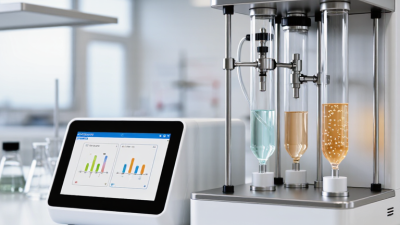
A smart densimeter measures liquid density and converts the result into digital data. Most modern units use an oscillating U-tube. A sample enters the tube, and its vibration changes with mass. The instrument calculates density from that frequency shift. Temperature compensation is essential because liquids expand when warmed. ISO 12185 and ASTM D4052 describe related oscillation-based density measurement practices.
It is more than a digital display. A connected densimeter can record density, temperature, timestamps, and operator information. Some systems also send readings to laboratory software or process controls. This reduces manual transcription, especially during repeated quality checks. The 2024 International Energy Agency Oil Market Report recorded global oil demand near 103 million barrels per day. At that scale, small measurement errors can affect blending decisions and material balances. Accuracy matters.
Look for stable temperature control. Check the stated repeatability. Ask how calibration is verified.
A practical test is simple. Measure a certified reference liquid, then repeat it after cleaning. Results should remain close. Not every “smart” feature improves measurement quality. Sometimes, extra connectivity adds complexity without better control. Buyers should also examine sample volume, cleaning time, data export formats, and service support. These details often decide whether the device works reliably outside a laboratory.
A smart densimeter determines liquid density by measuring changes in the oscillation frequency of a temperature-controlled vibrating tube. The chart uses widely accepted reference densities at approximately 20 °C to illustrate suitable measurement targets for global buyers.
Reference values: water ≈ 0.998 g/mL, ethanol ≈ 0.789 g/mL, isopropanol ≈ 0.785 g/mL, seawater ≈ 1.025 g/mL, glycerol ≈ 1.261 g/mL, concentrated sulfuric acid ≈ 1.840 g/mL, and mercury ≈ 13.546 g/mL. Actual readings vary with temperature, concentration, and sample purity.
When comparing smart densimeters for global purchasing, begin with measurement performance. An Electronic Density Meter should match your sample range, viscosity, and temperature conditions. Check repeatability, resolution, and stated accuracy separately. They are not the same. A reliable instrument should offer automatic temperature compensation and clear calibration procedures. In daily use, a stable reading matters more than an impressive screen. Ask whether the measurement cell is easy to inspect after testing sticky or colored samples.
Look closely at sample handling. A good design reduces bubbles, spills, and cleaning time. Some models accept small sample volumes, which helps when materials are expensive. Others support flow-through testing for faster production checks. The display should remain readable under bright factory lighting. Data transfer also deserves attention. Check USB, wireless, file formats, and user access controls. A smart feature is useful only when your team can retrieve trustworthy records.
Think about the working environment. Confirm operating temperature, enclosure protection, battery life, and local power compatibility before ordering. Calibration weights and replacement parts should be available through dependable channels. Technical support in your region can prevent long interruptions. I would not judge a device by software alone. Poor training can create confident errors. No meter is perfect. Even a highly accurate unit needs regular verification, careful cleaning, and trained operators. The best choice may be the model your staff can use correctly every day.
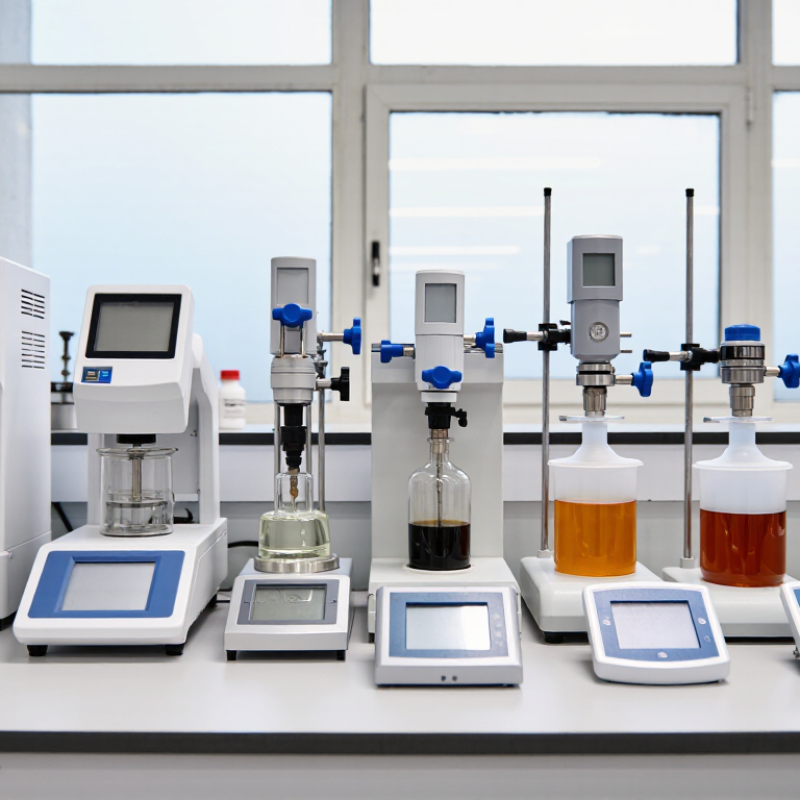
The best smart densimeter depends on the sample, workflow, and required accuracy. Deloitte’s 2024 Smart Manufacturing survey found that 86% of manufacturers view smart manufacturing as essential for competitiveness. That shift supports connected density measurement across laboratories and production sites. Buyers should compare seven practical options: a benchtop vibrating-tube model, a portable digital unit, an inline process sensor, a temperature-compensated analyzer, a laboratory reference instrument, a compact field meter, and a network-ready system with audit trails.
Vibrating-tube instruments suit precise laboratory work and often support ASTM D4052 methods. Inline sensors reduce manual sampling, but installation quality strongly affects results. Portable meters help global service teams, especially where climate and transport conditions change. Temperature compensation is critical because density varies with heat. NIST measurement guidance also stresses traceability, uncertainty evaluation, and consistent reference conditions.
Ask for calibration records, stated repeatability, sample-volume requirements, cleaning procedures, and software export formats. Connectivity alone is not intelligence.
A smart device should flag unstable readings, record operators, and protect raw data.
ISO/IEC 17025 principles are useful when evaluating calibration competence. However, specifications can look better than field performance. Viscous samples may respond slowly, and bubbles can distort readings. I would test representative samples before purchasing. That step is often skipped.
Global buyers should also verify voltage compatibility, language support, service coverage, spare parts, and regional documentation. The cheapest option may become expensive after repeated recalibration, downtime, or manual data correction.
Smart densimeters support accurate density testing in laboratories, production areas, and quality control departments. Their digital sensors reduce manual reading errors and provide fast, repeatable measurements. In laboratories, technicians use them for solvents, oils, beverages, polymers, and prepared solutions. Temperature compensation helps maintain consistency when room conditions change. Still, calibration must be checked regularly.
Manufacturing teams can use smart densimeters beside mixing tanks or filling lines. Operators can confirm concentration before materials move to the next stage. A compact instrument also saves bench space and reduces sample transfer. Some processes require rapid decisions, so measurement speed matters. However, high viscosity, trapped bubbles, or poor cleaning can distort results. Small errors become expensive across large batches.
Quality control teams need clear records, stable procedures, and reliable traceability. Smart densimeters with automatic data storage can support batch comparisons and audit preparation. Exportable results also reduce handwritten transcription mistakes. Yet software cannot replace technical judgment. A technician should inspect the sample, verify temperature, and question unusual readings. No instrument is perfect. Global buyers should compare calibration support, cleaning requirements, connectivity, and local service access. A lower purchase price may seem attractive, but difficult maintenance can interrupt production. I would also test the instrument with real samples before approval, because catalog specifications rarely reveal every practical weakness.
For global buyers comparing seven smart densimeter options, accuracy should lead the checklist. A device may display three decimal places without delivering three-decimal reliability. ISO/IEC 17025 requires validated methods, documented calibration, and measurement uncertainty estimates. Ask suppliers for calibration certificates, repeatability results, and test data across your actual temperature range. ASTM D4052 is a useful reference for digital density measurement, but its suitability depends on the sample and operating conditions.
Connectivity matters when readings move between laboratories, production lines, and cloud systems. GSMA Intelligence’s The Mobile Economy 2024 forecasts 29.5 billion Internet of Things connections by 2030. That growth makes data compatibility more important than impressive marketing language. Check whether the densimeter supports secure export, time-stamped records, common file formats, and stable wireless or wired connections. An offline mode is valuable. Networks fail.
Tips: Test the instrument with a certified reference liquid before purchase. Compare readings at low and high temperatures. Confirm whether cleaning steps change results. Review the full uncertainty budget, not only the headline accuracy figure.
Ease of use is practical, not cosmetic. A clear screen, guided sampling, removable parts, and short cleaning routines reduce operator variation. NIST guidance on measurement assurance emphasizes traceability and consistent procedures. In real testing, rushed users can still create bubbles or contamination. I have seen elegant systems fail here. A short training video helps, but hands-on verification is better. Also examine service access, spare-part availability, language options, and software update policies across regions. A perfect specification is less useful when daily operation feels fragile.
Buying a smart densimeter across borders requires more than comparing screen size and automation. Check whether its measurement method matches recognized ISO or ASTM procedures. Ask for calibration records from a competent laboratory, preferably one operating under ISO/IEC 17025 principles. The certificate should state the reference temperature, uncertainty, and test liquid used. A device may display four decimal places, yet offer poor real-world accuracy. More digits do not guarantee better results.
Support can decide whether an instrument remains useful after installation. Confirm response times, service languages, training options, and remote diagnostic procedures. Ask where replacement cells, seals, and sample cups are stored. A two-week shipping delay can interrupt a small laboratory’s production schedule. Local technical support helps, but it is not always expert support. I have seen buyers accept vague promises, then struggle with software updates and calibration questions.
Calculate total cost before selecting the lowest quotation. Include freight, import charges, taxes, installation, annual calibration, software access, consumables, and staff training. Also estimate downtime during servicing. A cheaper unit may become expensive when accessories arrive separately. Request a written five-year ownership estimate with warranty limits clearly stated. Some estimates will still be imperfect. That is normal. Use conservative assumptions, especially for shipping and service intervals. Verify electrical compatibility, data security features, and required regional conformity marks before payment.
It measures liquid density and converts the result into digital data. Most models use an oscillating U-tube. The sample enters the tube, and its vibration changes with mass. The device calculates density from that frequency shift. Temperature compensation is essential because liquids expand when warmed.
Density readings can change when sample temperature changes. A stable temperature improves repeatability. Compare readings at low and high temperatures during evaluation. A strong device records both density and temperature. Accuracy matters.
It may record density, temperature, timestamps, and operator information. Some systems export results to laboratory or process software. This reduces manual copying during repeated checks. However, connectivity does not automatically improve measurement quality. Networks fail.
Test the instrument with a certified reference liquid. Repeat the test after cleaning the measurement cell. Results should remain close. Ask for calibration certificates and repeatability data. Review uncertainty, not only the displayed decimal places.
Look for designs that reduce bubbles, spills, and contamination. Small sample volumes can help when materials are costly. Flow-through testing may support faster production checks. Removable parts can shorten cleaning time. Sticky or colored samples need extra inspection.
Check wired and wireless transfer options. Confirm secure export, timestamps, common file formats, and user access controls. Offline operation is valuable during network interruptions. A smart feature helps only when staff can retrieve reliable records.
A clear display and guided sampling can reduce operator variation. Bright factory lighting requires readable controls. Training helps, but hands-on verification is better. Rushed users may create bubbles or leave contamination. A perfect specification can still fail in daily work.
Confirm operating temperature, enclosure protection, battery life, and local power compatibility. Check calibration materials and replacement-part availability. Regional technical support can reduce interruptions. Service access matters. I would not judge the device by software alone.
Verification should follow the site’s quality procedure and usage conditions. Test a certified reference liquid after cleaning and whenever results seem unusual. Keep documented calibration and maintenance records. No meter is perfect. Regular verification remains necessary.
A smart densimeter is an advanced measurement instrument that determines liquid density while combining digital control, automated temperature compensation, data storage, and connectivity. This guide explains how an Electronic Densimeter works and highlights the key features buyers should compare, including accuracy, repeatability, measuring range, sample volume, interface design, cleaning requirements, and compatibility with laboratory information systems. It also presents seven practical options for global buyers, organized by performance needs, application environments, and budget considerations rather than brand preference.
Smart densimeters support laboratories, manufacturing facilities, and quality-control departments in testing beverages, chemicals, fuels, pharmaceuticals, and other liquid materials. To select the right system, users should evaluate calibration stability, measurement speed, software usability, remote data transfer, and service accessibility. International purchasers should also review relevant testing standards, electrical requirements, documentation, training, warranty coverage, spare-part availability, shipping conditions, and total ownership cost. A well-matched instrument can improve workflow consistency, reduce manual recording errors, and provide reliable density data for everyday production and quality decisions.